You asked the question every smart buyer or renter whispers before signing on a dotted line. Now you want the real story, not a one-liner from a ranking site or a cheery brochure. Let’s stroll through Longwood, Florida the way locals do, eyes open and gut engaged, so you can decide for yourself.
The Street-Level Feel: Daylight, Dusk, and Deep Night
Daylight Wanders
Morning in Longwood feels almost sleepy. Joggers loop around Candyland Park, parents queue for coffee at Hourglass on Ronald Reagan Boulevard, kids race scooters near the historic district. Police cruisers drift past, more deterrent than rescue squad. Most residents I talked to say they rarely lock the door for a quick dog walk before noon. The vibe changes once you leave the leafy side streets and hit State Road 434. Traffic noise goes up, grocery carts rattle in strip-mall lots, and the watch-your-wallet instinct flickers on. No panic, just sharper awareness.
East of the SunRail station life hums: hardware store, taqueria, barber. Locals greet shopkeepers by first name. Strangers do get a glance or two, mostly friendly. If you are considering a house hunt, circle this pocket around lunch hour. You will sense how the town breathes in broad daylight—steady, unhurried, ordinary.
After-Dark Pulse
Sunset turns Longwood into two different towns. In the historic core, light strings over brick walkways keep things cozy until about 10 p.m. Couples linger outside the craft beer spot, and the walk back to the car feels fine under consistent streetlights. Keep going west toward U.S. 17-92 and you will notice dimmer bulbs, fewer pedestrians, and parking lots that stretch forever. It is not inherently dangerous, but it can feel lonely, which invites petty mischief like unlocked-car rummaging.
Night-shift nurses I interviewed say they avoid the backside of older shopping centers when clocking out at 2 a.m. They choose the well-lit lanes by the station instead. The lesson: lighting is king. Wherever you rent or buy, stand on the curb after nine, look up, and count bulbs. Three or more on that block? Walking feels fine. One flickering at the corner? Maybe keep a flashlight app handy.
Local Chatter Over Coffee
Ask ten residents, get ten versions of safe. Beth, a long-time art teacher, shrugs off porch piracy as the “tax” of online shopping. “It happens twice a year,” she says. Scott, who runs a landscaping crew, grumbles about catalytic converter theft near his equipment yard yet insists the city is calmer than nearby metros. Nobody I met spoke about random street violence. The gripes lean practical: speeding on Markham Woods Road, teens testing car handles at midnight, impatient drivers in school zones. In other words, annoyances, not outright menace.
Quiet Corners Known Only to Insiders
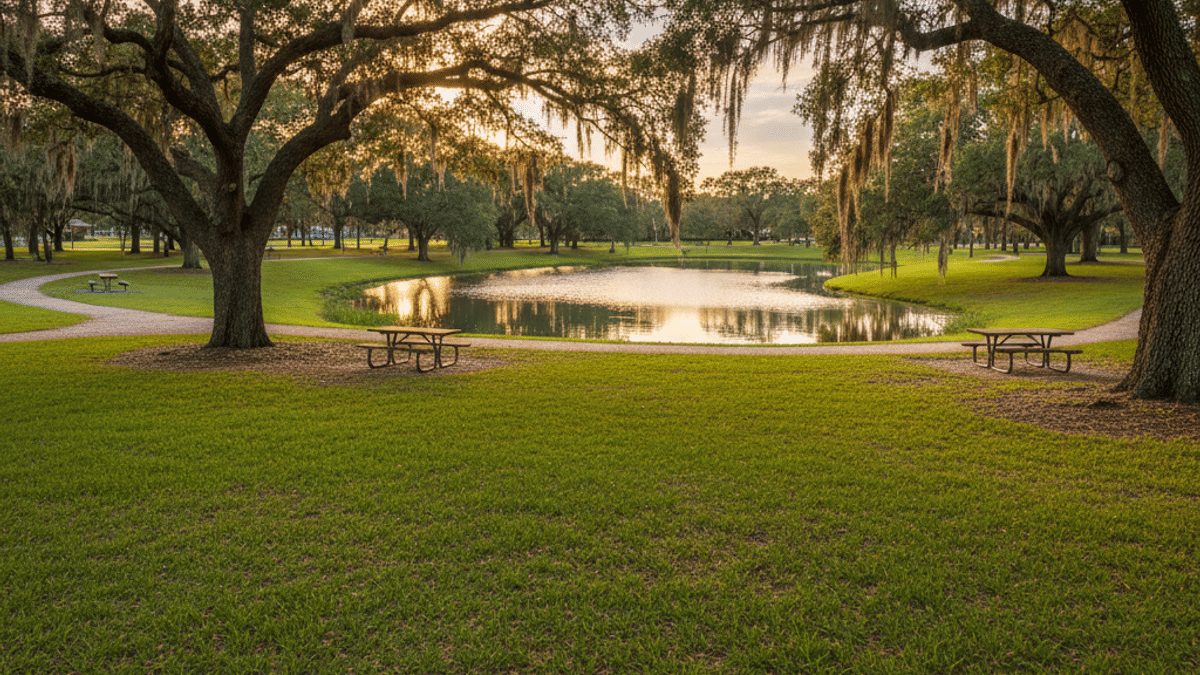
If you crave spots that feel secure any hour, locals point to Reiter Park. Families picnic there until the lights click off at eleven, and patrol cars swing through on schedule. Another overlooked gem: the Seminole Wekiva Trail underpass just north of Longwood Hills Road. Cyclists swear by its clear sightlines and emergency call box. Finally, Friday food-truck rallies behind City Hall draw crowds that act as built-in surveillance. Strangers stick out here, so mischief usually looks for easier pickings elsewhere.
Crime Stats: Helpful, Half-True, or Hopeless?
The Numbers Barely Scratch the Surface
Type “Longwood crime rate” into a search bar and you will find tidy charts. They place Longwood somewhere in the middle compared with other Florida towns its size. Sounds reassuring, yet those figures lump industrial corridors and suburban cul-de-sacs into one bucket. Raw data does not tell you that an abandoned storefront near the interstate inflates theft counts while a cul-de-sac three blocks away hears crickets every night.
What Shows Up the Most
Police logs reveal patterns more than horror stories. Property issues dominate:
- Package snatching on front porches, especially around Black Friday shipping season.
- Car break-ins, almost always unlocked doors in dim driveways.
- Occasional catalytic converter removal, quick hit, no confrontation.
Violent incidents? They appear, but most involve people who already know each other behind closed doors. Random attacks on walkers or cyclists are rare enough to make headlines when they happen, which tells you how unusual they are.
One Block Over, Whole New Planet
Stand on Church Avenue near the candy-colored Victorian homes and you will hear wind in oaks. Cross 17-92 and suddenly semitrucks roar, neon flickers, and the vibe shifts. Same city, two moods. Home shoppers who skim online averages miss this micro-neighborhood reality. Tour a listing at noon, sure, but also swing back after sunset. Note the distance to the nearest flood-lit business, busy road, or park. In a small town, that single variable changes the nightly soundtrack.
Turning Stats Into Action Items
Use the city’s crime map. Filter for the past six months, then isolate the radius around any address you love. Spot a cluster of car break-ins? Ask the listing agent about driveway lighting and camera setups. See repeated speeding complaints? Factor in a fence budget if kids or pets will roam. Numbers are not there to frighten you. They simply highlight which questions to ask before you move the sofa in.
Everyday Safety Hacks Locals Swear By
Foot Power and Pedal Power
Sidewalk coverage in the historic district is solid, so evening dog walks feel relaxed. Up along Markham Woods, shoulders widen yet sidewalks fade, making reflective gear a must. Seminole Wekiva Trail is a biker’s dream during daylight, less so after dusk because ranger patrols drop off. If you long for a car-light lifestyle, aim for an address within half a mile of the SunRail stop. The city keeps that corridor bright, trimmed, and heavily trafficked by commuters even after dark.
Neighbor Eyes, Not Spy Cams
Several subdivisions run voluntary text chains. Somebody spots an open garage at 11 p.m., they ping the owner. City Hall promotes “See Something, Say Something” at monthly block-captain meetings, yet most vigilance here feels informal and friendly. It is the wave-at-everyone culture that deters nonsense more than hardware. Folks still install cameras, but relationships keep them from becoming fortress dwellers.
Visitors Versus Locals
Tourists usually swing through during spring to catch theme-park overflow or during October for the haunted preserve walk. They stick to hotels near the interstate. Locals head there only for late-night Waffle House or cheaper gas. Translation: if a police cruiser lights up that stretch, odds are it involves visitor traffic problems. Meanwhile, residential pockets stay calm, save for louder backyard parties when playoff football hits. Buyers worrying about short-term-rental chaos can relax; zoning keeps those units closer to the highway, not deep in neighborhoods.
Extra Little Clues
Noise matters. A street that sounds like a wind tunnel at noon will still hum at midnight, and noise often masquerades as risk. Train horns from SunRail can jolt newcomers, yet the schedule is predictable. Watch traffic patterns too. A sleepy two-lane road can become a racetrack at 4:30 when workers cut through to dodge I-4 congestion. Put your phone on record for ten minutes, listen later, and decide if that soundtrack feels comfy.
Quick-Glance List for Cautious Home Hunters
1. Visit the exact block you love three separate times: weekday morning, Saturday afternoon, Wednesday after 9 p.m.
2. Count streetlights between your driveway and the nearest main road. Fewer than four? Budget for motion lights.
3. Glance at porches. More packages left out equals higher porch-piracy temptations.
4. Open the city crime map, zoom to one-half-mile, filter the last 90 days.
5. Look for sidewalk continuity if you plan sunset jogs.
6. Chat up the closest barista or cashier. Ask what bugged them about last weekend. You will get raw intel fast.
7. Test cell service in the driveway. Dead-zones at night can feel sketchier than they are.
8. Gauge traffic speed. If cars blast past at 40 in a 25, ask the city about future speed humps.
9. Meet at least one next-door neighbor before closing. Chemistry beats cameras.
10. Check porch bulb wattage. Might sound trivial, yet bright light deters rummaging more than any lawn sign.
Ready to Decide?
Longwood is not a utopia, yet it rarely lands on Florida’s warning lists. The city’s biggest headache is the ordinary stuff suburban America has grappled with for decades: loose car doors, porch pirates, the occasional scuffle outside a bar at closing time. Violent crime exists yet usually stays off the sidewalk.
Will you feel safe here? That depends on the block you pick, the habits you keep, and the lights you install. Do the legwork described above, trust your gut during those nighttime drive-bys, and you will know the answer before any real-estate form asks the question.
In the end, safety in Longwood is less about zip-code averages and more about neighborly eyes and common-sense tweaks. If that brand of security clicks with you, the city may fit like your favorite hoodie. If you crave a bustling urban beat or pitch-black rural silence, keep exploring. Your comfort level, your move.
You hold the next step. Schedule that evening walk, talk to the locals, and decide if Longwood’s version of safe feels like home.