HOA Fees: A Deep Dive
You have probably stared at a Lake Mary listing, spotted the line that says “HOA $335/mo,” and wondered if that number is a friend or a foe. I live a few exits south, own a townhome with an HOA, and spend a lot of weekends in Lake Mary. So I pulled budgets, chatted with board members, and compared notes with neighbors who are deep in the HOA trenches. Here is what shakes out.
How Much Are We Actually Talking About?
Most buyers hear a single figure, nod politely, and move on. Dig a little deeper and you learn fast that Lake Mary fees do not sit in one tidy bucket.
- Condos inside older mid-rise buildings near Lake Mary Boulevard float between 260 and 420 dollars a month.
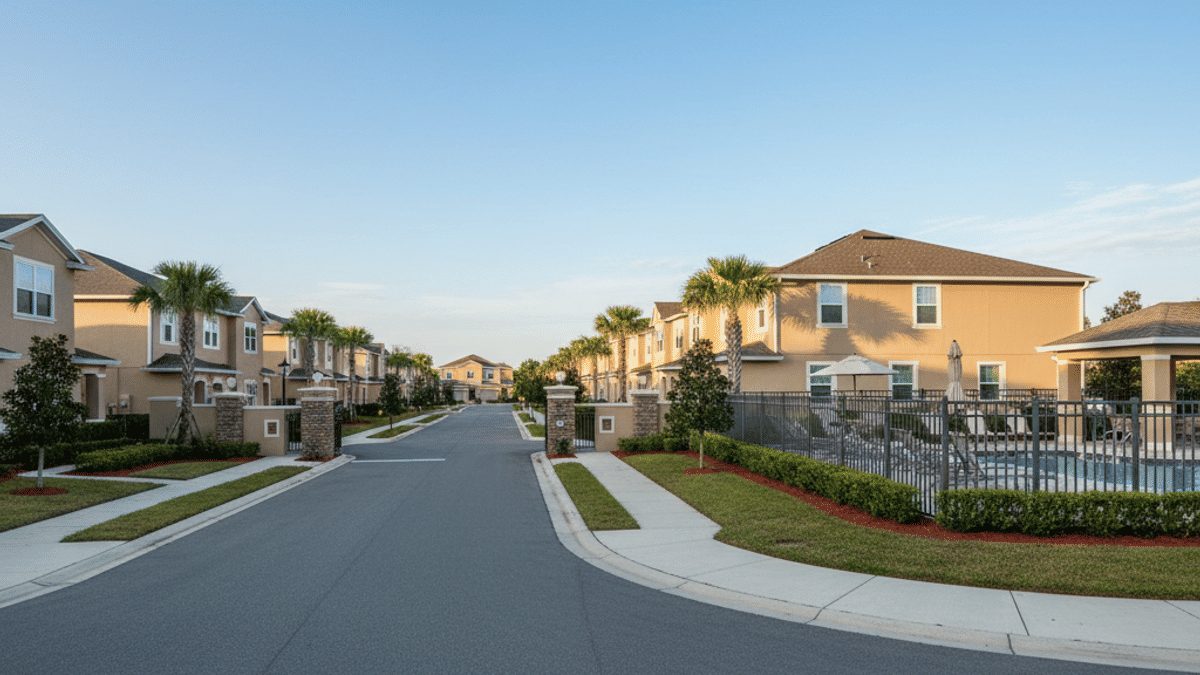
- Newer three-story townhome clusters closer to SunRail average 200 to 310 dollars.
- Larger gated single-family neighborhoods on the west side push up toward 450 or even 600 when they layer on guard shacks, cable bundles, and lawn service.
Those ranges matter, but they are only half the picture. Two communities that sit a block apart can post the same 300-dollar invoice and give you completely different lives. One may resurface the pool deck on time, answer every email inside a day, and still sit on a healthy reserve. The other may let the stucco crack, issue a surprise “special” every other spring, and hold board meetings that feel like a reality-TV reunion.
Still want a rough number? Based on 32 budgets I reviewed while building this guide, the average HOA fee in Lake Mary landed at 327 dollars. The median sits closer to 305. Those stats calm some nerves, but they do not tell you if the place leaking that fee into your mortgage line is actually healthy. You need context.
What the Glossy Brochure Promises versus What Really Shows Up
HOA marketing sheets write checks. The money comes out of your pocket, so let us match promise to performance.
Exterior Maintenance
Listed: “Full exterior maintenance, roof included.”
Reality check: Many condo associations cover shingles, gutters, and painting. Townhome HOAs sometimes skirt roofs by saying “limited common element” then charge a one-off when plywood rots. Ask for the maintenance matrix and verify dates of the last roof replacement.
Landscaping
Listed: “Beautiful manicured grounds.”
Reality check: In practice that may equal a three-man crew on a weekly mow-and-blow loop. Look for line items that spell out mulch refresh, irrigation repair, and hedge trimming. Those details separate golf-course curb appeal from crunchy brown patches.
Amenities
Listed: “Pool, fitness room, playground.”
Reality check: The pool may shine. The fitness room might hold two squeaky ellipticals from 2009. The playground might be out of code. Inspect each spot with your own eyes. Then open the budget and see how much money is tagged for amenity upkeep. Low spend equals broken stuff later.
Insurance
Listed: “Master insurance policy included.”
Reality check: Post-Ian premiums across Central Florida ballooned. Some Lake Mary associations swallowed fifty-percent jumps last renewal season. Rising insurance costs push fees north faster than any other line item right now. Ask for the current policy declaration and last two premium invoices.
Reserves
Listed: “Fully funded reserves.”
Reality check: Only three of the thirty-two communities I sampled were at one-hundred percent of the state reserve recommendation. The others plan to catch up “later.” Translation: you or the next owner will get a special assessment when the big items come due.
Good Fee Vibes versus the Stuff That Keeps You Up at Night
Not every three-hundred-dollar invoice is sinister. A lean, well-run condo can do a lot with that. The trick is spotting the vibe before you close.
Signs You Found a Solid HOA:
- Reserve fund sits at least seventy-five percent funded.
- Auditor issues clean opinions, no “going concern” language.
- Delinquency rate under five percent, meaning owners actually pay on time.
- Fees rise in small predictable bites instead of sudden leaps.
- Walkthrough shows fresh paint, working gate motors, lights on at night.
Red Flags That Deserve a Deep Breath:
- Multiple special assessments over the last five years.
- More than fifteen percent of owners late on dues.
- Deferred exterior repairs you can see from the curb.
- Board minutes full of vendor disputes or threatened lawsuits.
- Zero money in reserves yet roofs reach year twenty-five.
One more subtle signal. Call management on a random Wednesday at 3 p.m. See how long before a human picks up or calls back. Timely replies hint the community spends money on responsive help rather than cutting staff to hit a fee target.
Your Detective Kit Before You Sign Anything
You would never buy a used car without popping the hood. Same energy here. Gather these, pore over them, then fire off questions until you feel calm.
Documents to Request:
- The full annual budget including reserve study line.
- Balance sheet and income statement year to date.
- Reserve study summary less than three years old.
- Most recent meeting minutes, preferably the last four quarters.
- Insurance declaration page outlining coverage amounts.
- CC&R rules plus any recent amendments.
- Current vendor contracts for landscaping, gate security, elevators.
Questions Worth Asking:
- Any large projects planned in the next three years and how will they be funded?
- How often have fees risen over the past decade and by how much each time?
- Current delinquency percentage and collection plan.
- Have there been any insurance claims or pending litigation?
- How many units are investor owned and rented?
- When does each major component hit end of life? Roof, roads, stucco, elevators.
Do not accept vague answers. If a board member shrugs and says, “We will figure it out later,” treat that as a glowing neon sign to look elsewhere or budget a buffer.
Special Assessments: The Uninvited Guest at the Party
You may skate by for years without one, then bam, a letter arrives. My neighbor’s building in Lake Mary tagged owners with an eleven-thousand-dollar roof levy last fall. Some paid cash. Others set up payment plans that piled interest on top. The common triggers:
- Hurricane damage not fully covered by insurance.
- Plumbing stacks corroding through concrete.
- Structural engineer flags balconies.
- State reserve requirements shift and the board needs to catch up quick.
You cannot dodge every surprise, yet you can lower the odds. A funded reserve north of seven figures signals fewer nasty letters. Anything under six months of operating expenses in the bank means you better keep extra cash on hand.
Math Time: HOA Life versus Running the House Solo
Plenty of buyers write off associations entirely. They picture a free-standing home with zero fees and figure they win by default. Maybe. Let us stack the numbers.
What the HOA Usually Absorbs:
- Roof replacement every twenty-five years
- Exterior paint every seven years
- Lawn mowing, edging, and fertilization
- Community pool chemicals, electricity, water
- Private road repaving
- Master insurance policy that covers drywall out
- Pest control in shared walls
- Security gate, cameras, streetlights
DIY Version for a No-Fee Single-Family:
- Roof on a two-thousand-square-foot house in Seminole County runs 13,000 to 17,000
- Paint plus stucco patch hits 4,000 every cycle
- Lawn care with fertilizer packages 180 per month
- Pool care 120 per month unless you plan to test chemicals yourself before work
- Streetlight repair falls on you if burned out near your driveway
- Homeowners insurance 2,800 to 4,100 a year after the recent rate jumps
Stack those numbers over ten years and many “no-fee” houses cost more than a 300-dollar monthly HOA. That said, a poorly managed association that piles on assessments can outspend any solo budget. Run both scenarios. Pull out a spreadsheet or even scratch paper and list the major items. Real numbers help you see beyond the sticker shock.
Lifestyle Tradeoffs Nobody Marks on the Flyer
Money matters yet rules shape daily life. If living under a set of guidelines raises your blood pressure, respect that feeling.
Common Lake Mary Pinch Points:
- Parking. Some condos sell with only one deeded space. Guest spots vanish on game day at the nearby sportsplex.
- Pets. Many HOAs cap pet weight at forty pounds or require DNA swabs. Yes, really.
- Rentals. You may need to own for two years before leasing or face a waitlist that slows cash flow.
- Exterior changes. Wish to install a bright red door or a Tesla charger? Approval might crawl for months.
- Meetings. Volunteer boards still hold legal power. Expect spirited debates over mulch color that sometimes drag late into the night.
Read the rules line by line. Then decide if the tradeoff feels worth it for a clean yard you never mow and a pool you never skim.
Quick Ways to Sanity-Check the Fee Against Value
- Divide total annual dues by the number of homes to see what each owner actually chips in. Then compare that to the cost of one roof panel or elevator repair. If the ratio looks thin, reserves will bleed dry fast.
- Walk around at night. Burned-out bulbs or squealing gate hinges hint at skimping.
- Test the amenities during off-peak hours. An empty gym at 7 p.m. means equipment or AC might be busted.
- Ask three random owners how they feel about the board. You will get the unfiltered version quicker than any document review.
Ready to Weigh It All?
You started with one simple question. Are HOA fees worth it in Lake Mary? The honest answer: sometimes they are a steal and sometimes they will eat your sanity and your savings. You now hold the tools to separate the two.
- Study the budget.
- Grill the board with real questions.
- Scout the grounds in person, day and night.
- Run the ten-year cost of homeownership both with and without the fee.
- Trust your gut when red flags wave.
Do those steps and you will walk into closing day clear-eyed about what that 200-, 300-, or 500-dollar line truly buys.
Still feeling unsure? Drop me a note. I trade stories with Lake Mary owners every week and can point you toward budgets that sparkle and away from roofs about to peel off. Your money, your lifestyle, your call. Now you can make it with confidence.