Are HOA Fees in Longwood Worth the Price Tag? Here’s What to Know
You are probably staring at that monthly line item and wondering whether it is a bargain, a rip-off, or something in between. I get it. I have owned in two different Longwood communities and the fees felt wildly different even though the zip code was the same. One neighborhood charged me less than a fancy coffee a day and still kept the place spotless. The other felt like lighting a stack of twenties on fire every first of the month. So let us unpack the numbers, the promises, and the hidden twists that turn a plain fee into either peace of mind or nonstop drama.
Understanding HOA Fee Structures in Longwood
First, the numbers. Most Longwood condo associations ask for roughly 490 dollars a month. Townhome communities often hover between 180 and 250 dollars. Detached homes inside a gated neighborhood can be as low as 150 dollars or as steep as 300 plus when the gate, the pool, and private roads need love.
What you are told the fee covers
- Exterior upkeep. Think paint, roof repairs, siding, and shared walls.
- Grounds. Mowing, trimming, mulch replacement, seasonal flowers that survive exactly two weeks of Florida heat.
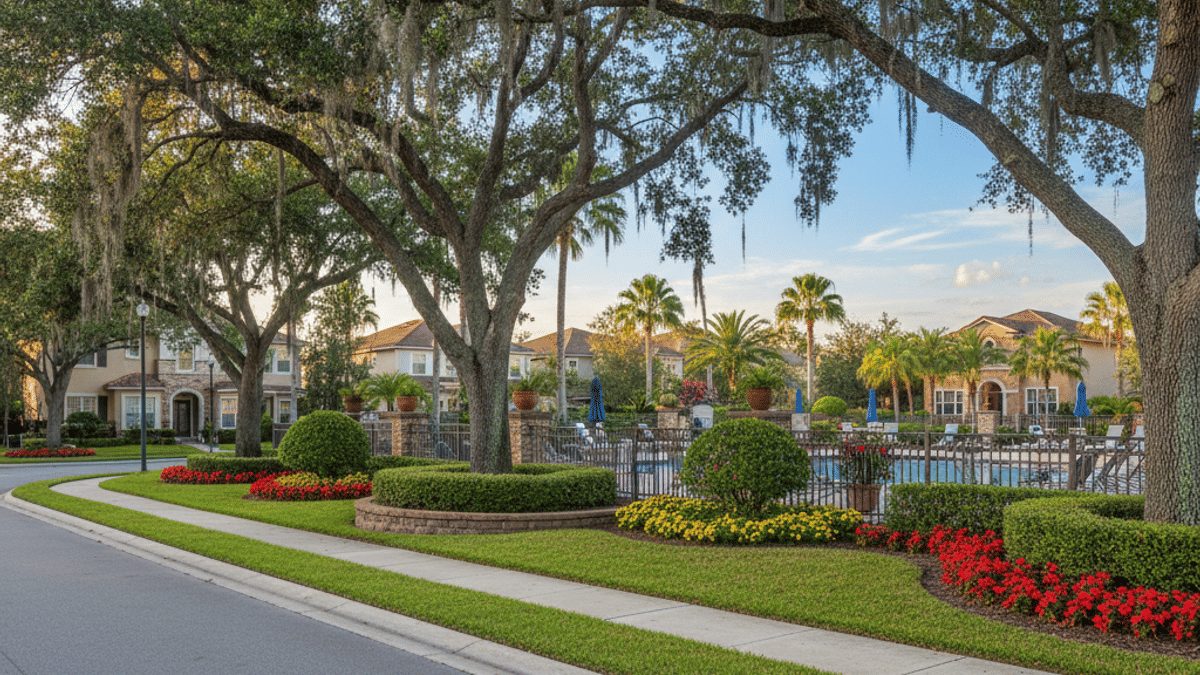
- Amenities. Pool, small fitness room, maybe a tennis court in the back that one resident still uses.
- Master insurance policy. This is the big combined policy that protects the shell of the buildings and common areas.
- Management. The company that mails you letters when your porch light bulb goes out.
What you actually feel day to day
- The pool looks amazing right after it gets resurfaced, then the furniture rusts two years later and sits there.
- The lawn looks golf-course green except the week right before board elections when everything suddenly blooms.
- The insurance part stays invisible until hurricane season slaps rates through the roof.
- Management answers fast during sales season, slower once you have closed.
Fees can switch dramatically by street. Two neighboring townhome complexes, built five years apart, sit next to each other on Rangeline Road. One replaced roofs early and has a healthy reserve. The fee there is 210 dollars. The other delayed replacement, now faces a giant bill, and bumped dues to 270 with talk of a one-time special assessment. Same view, different math. So rule number one: ignore averages alone. Dig into why one number exists in the first place.
The Real Cost of Living with HOA Fees
A “good” fee feels boring. Your payment leaves your account each month, the grass stays short, and the pool stays blue. No surprise emails. No frantic meetings. When that happens, you forget the association exists. Boring is golden.
A “scary” fee wears a different mask. Maybe it looks low, tempting buyers who rate-shop listings. Yet inside the budget the reserve fund limps along at five percent of what engineers recommend. Then a storm cracks roof tiles on eight buildings. Suddenly every owner owes 4,000 dollars in a hurry. That low fee was bait, not relief.
Watch the hidden variables that can balloon costs
- Special assessments. The board can vote to charge everyone a lump sum for items bigger than current savings, like paving roads or repairing elevators. Owners usually get a payment plan but interest may apply.
- Insurance spikes. Florida carriers shy away from older roofs and water claims. If your development renews in the wrong month, premiums can double. Those hikes trickle directly into next year’s fee.
- Deferred maintenance. Old stucco cracks and wood rot creep along balconies. Delay the fix and the eventual bill dwarfs the original quote.
- Reserve studies. A licensed engineer should inspect and calculate long-term capital needs every few years. When the study gathers dust, the board flies blind.
Real stories float around town. One gated Longwood subdivision kept fees low for years by skipping pressure washing and gutter cleaning. The place still showed well from the main entrance but siding panels on the back of homes grew mold. Fast forward, the board passed a 1,800 dollar assessment per house to remediate moisture damage. Residents felt blindsided even though the rot literally sat on the walls.
On the flip side, Sabal Point condos raised dues ten percent three years in a row. Owners grumbled, yet reserves swelled, new roofs went up ahead of schedule, and insurance carriers rewarded the community with smaller deductibles. Appraisers now bump unit values because buyers like fully funded reserves. Sometimes paying more today saves your future self thousands.
Decoding HOA Financials and Documents Before Buying
Here is where you turn detective. Before you wave your inspection period goodbye, collect a stack of papers and comb through them like your wallet depends on it, because it does.
Request these five items
- Current budget with year-to-date actuals
- Most recent reserve study or at least the reserve account balance
- Insurance summary showing premium, carrier, and deductibles
- Three sets of board meeting minutes
- Full governing docs, often called CC and Rs and bylaws
What to look for
- Budget line items that eat chunks of money. Landscaping and insurance are the usual gluttons. If insurance jumped this year, ask whether it was a one-time shock or the start of a trend.
- Reserve ratio. Compare current reserve cash to the engineer’s recommended funding level. Seventy percent or more feels comfortable, fifty percent is a flashing yellow light, under thirty screams red siren.
- Delinquency rate. How many owners are late on dues. Over ten percent delinquent signals stress that can spill into everyone else’s pockets.
- Upcoming projects. Fresh asphalt or termite tenting? You want a timeline and bids, not vague promises.
- Pending litigation. Lawsuits drain budgets quicker than a broken water main.
After scanning the numbers, walk the property, then match reality to the spreadsheets. If the budget allocates thirty grand to pool repairs yet the pool surface still peels, ask why. If reserves claim one hundred grand yet the roofs leak, something is off. Numbers must line up with what your shoes see on the ground.
Rookie buyers often skim meeting minutes yet the juicy stuff hides there. Heated debates about mailbox replacements or parking enforcement reveal future expenses and neighbor dynamics. If you find notes where the treasurer begs for a reserve contribution freeze because owners are hurting, brace yourself for fees that climb once the freeze inevitably melts.
Questions for the board or manager
- How often have dues increased over the last five years
- Any plans to borrow, refinance, or levy assessments in the next twelve months
- Largest vendor contracts and when they renew
- Insurance claims filed recently and whether premiums spiked afterward
- Percentage of units owned by investors instead of primary residents
A manager who answers quickly and clearly, gold. One who dodges or says they will need a week to locate simple figures, not a great sign.
Comparing HOA and Non-HOA Living Expenses
Someone will tell you to avoid fees completely and buy a house on an open street instead. Sometimes that is genius. Other times you swap a predictable payment for surprise out-of-pocket repairs that make the old fee look downright charming.
Costs you pick up alone in a no-HOA world
- Mowing, edging, blowing
- Roof replacement every fifteen to twenty years, current quotes average 11,000 to 15,000 in Longwood
- Exterior paint, about 3,500 to 5,000 every decade
- Pest control, unless you befriend spiders
- Community features like a pool, meaning you fund a private membership or build your own
Cost bundles inside many Longwood HOA fees
- Master policy that covers exterior structure, lowers your personal insurance premium
- Trash and recycling pick up
- Private road upkeep which spares you pothole fights with the county
- Shared pool, playground, or small gym, ideal if you will actually use them
Run a simple tally. Price the items you would pay solo, spread them over twelve months, compare that figure to the association’s fee. The math does not tell the entire story, because convenience carries value too. If you travel often, handing lawn care to the association is stress you never feel. If you love tinkering in the yard, paying for someone else to do it might feel like paying for food you never eat.
Locals often say gated HOAs help resale because buyers see trim hedges and steady maintenance. Yet an independent single-family on a quiet street can appreciate just as well when the owner handles upkeep responsibly. No universal winner here. Just different paths.
Preparing for Life Under an HOA: What Savvy Buyers Do
So you decide the fee makes sense. Great, now set yourself up for calm living.
Steps to take before the ink dries
- Attend at least one board meeting. See how decisions happen and whether voices stay respectful.
- Read the rules on rentals, pets, and parking. Do not rely on the seller’s summary. Read the actual clauses.
- Verify the insurance deductible you would owe per claim and whether a hurricane trigger exists.
- Review vendor contracts. A pool contract signed ten years ago might cost double once it renews.
Habits after you move in
- Pay dues on auto-draft to dodge late fees.
- Walk the common areas monthly. When you spot issues early and report them, repairs stay cheap and prevent bigger bills later.
- Volunteer on a committee for six months. You will learn more about spending choices than any spreadsheet can show.
- Keep your personal homeowner policy in sync with the association master policy. When the board raises coverage, your agent may adjust your interior premium down.
Noise complaints, parking decals, or violations feel annoying. Approach the manager with courtesy first. Most get resolved quickly. If enforcement feels random, gather facts then speak at the next meeting. Stay calm. A single neighbor yelling accomplishes little. A small group with clear examples usually sparks action.
Some buyers fear boards that overreach. I once lived under a rule that banned holiday lights before Thanksgiving week. Residents pushed back, attended three meetings in a row, proposed an amendment, and now the lights debate disappears. Rules bend when enough owners engage. Which means you really can shape the environment you pay for.
Ready to Judge HOA Fees Longwood for Yourself
You now hold the playbook. Drill into the budget not just the brochure. Walk the property not just the model home. Question the board not just your agent. When you line up fee, reserves, amenities, and long-term upkeep, the decision gets clearer. Some communities in Longwood deliver real value, saving owners time, money, and headaches. Others look shiny at closing but bleed wallets later.
The fee itself is never the full story. The people who manage it, the transparency of the books, and the age of the community tilt the scale. Make those pieces fit and paying that monthly line item can feel like buying serenity. Miss them and the same dollar amount can taste like regret.
Choose wisely and you can spend Sundays at the pool instead of fighting with a weed eater. Choose poorly and every first of the month feels like a bad subscription you cannot cancel. Either way, you are now armed to pick with eyes wide open. Welcome to Longwood homeownership on your terms.