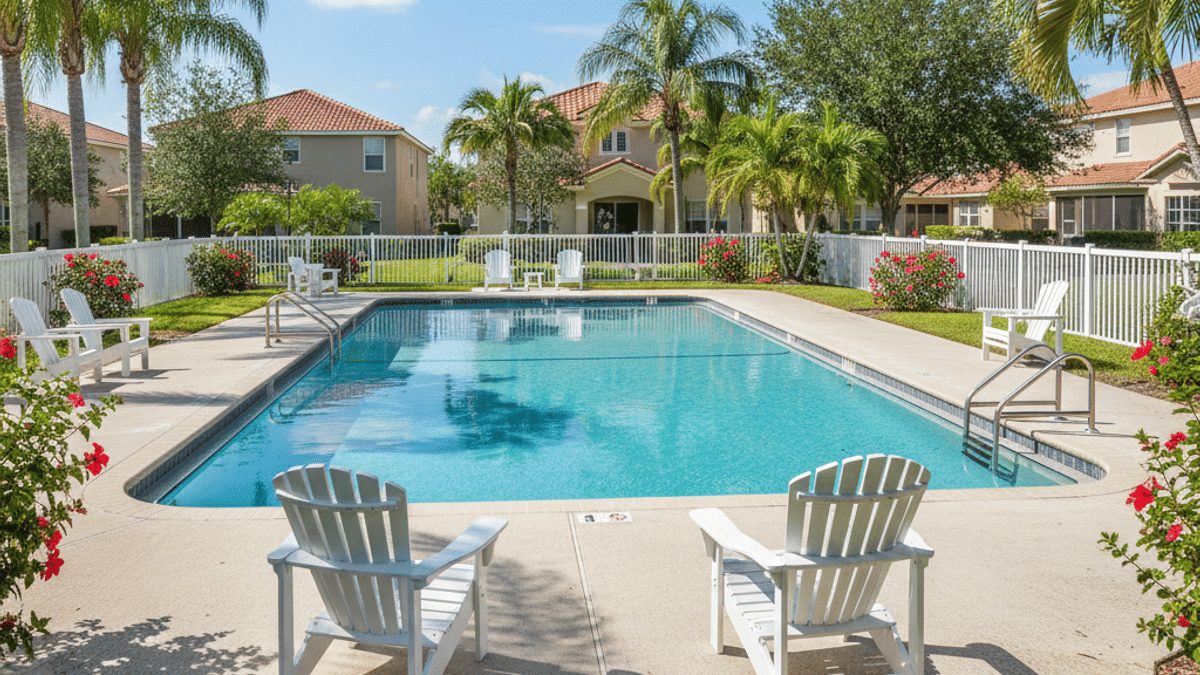
You found a place you love in the Orlando area. It has a tidy lawn, a community pool that screams Saturday afternoons, maybe even a guarded gate. Then you spot three little letters on the listing: HOA. The monthly number next to it is either a shoulder shrug or a jaw drop. So, are HOA fees in Orlando worth it? Let’s walk through the good, the bad, and the budget-busting surprises that never make the glossy brochure. I live here, I pay these invoices every single month, and I can tell you the line between fair and frightening is thinner than Florida grass in August.
What Orlando HOA Fees Look Like When They Hit Your Wallet
First, raw numbers. Around the metro, single-family neighborhoods with basic shared spaces hover between 90 and 200 dollars a month. Many townhome communities land closer to 200 to 350. Condos? That is where the meter jumps. Two-bedroom high-rise units downtown frequently charge 400 to 650, and luxury towers with elevators that whisper instead of clank can push past 800. Those are averages, not promises.
Averages help you set expectations yet they hide quirks. The twenty-year-old condo with plain stucco walls might cost more than a newer mid-rise because insurance on aging plumbing went through the roof last renewal. A gated subdivision on the fringe of Clermont might be cheaper than a downtown loft because the clubhouse TV is their only amenity. In other words, never judge on price alone.
What the Flyer Says You Get vs. What You Actually Get
Marketing pages love to list perks: landscaping, exterior paint, pool maintenance, trash pickup, security patrols, cable, termite bonds, master insurance. The fine print decides how real those perks feel.
What usually does land in the fee:
- Yard mowing for common areas and sometimes your own postage-stamp front yard
- Exterior hazard insurance, also called the master policy
- Trash or recycling, though some places bill it through property taxes instead
- Reserves, a savings account for big projects such as roofs, roads, or elevator rebuilds
What might show up but only in name:
- Basic cable that still needs a set-top box and an upsell call with the provider
- A gym with three treadmills that quit every other month
- “Security” that turns out to be one camera pointed at the gate keypad
The difference between claimed and delivered amenities usually traces back to management quality and reserve health. If the manager actually walks the grounds weekly, that pool water stays clear. If the board skimps on reserves, the treadmill dies and sits there like furniture.
How Fees Drift Over Time
You sign your closing papers at 275 a month. Two years later the invoice reads 340. No wild mismanagement, just the Orlando triple hit of labor inflation, insurance jumps, and hurricane-season repairs. Three main forces push fees up:
Insurance: Carriers in Florida recalculate risk every storm season. When they hike the master policy, the board passes that cost onto you.
Deferred maintenance: If prior boards kept dues artificially low, the roof still ages in silence. At some point the community needs thirty new roofs at once and no cash to cover it. Hello special assessment.
Amenities creep: Residents vote yes on fancy gate cameras or pool resurfacing. Each yes tacks ten more bucks on your line item.
The trick is spotting these trains before they hit. Read recent meeting minutes. You will see early murmurs about insurance bids or crumbling pool tile. Minutes usually predict a fee bump six to twelve months before the letter lands in your mailbox.
When HOA Fees Feel Like a Square Deal
Some fees actually make life easier. Signs you are looking at a healthy HOA in Orlando:
- Reserves sit above 70 percent of what the latest engineering report recommends. That single ratio tells you if the board can handle big repairs without gut-punch assessments.
- The grounds look loved. Fresh mulch, no peeling stucco, lights that work. It takes steady cash flow and responsive vendors to keep that vibe.
- Financial statements arrive on time, plain English, no mystery “other” category soaking up half the budget.
- Fee increases match inflation, not double it. Think three to five percent annually, not fifteen.
- Board meetings run under two hours. Weird metric, yet shorter meetings often signal fewer crises.
When these boxes are checked, your 300 dollars saves you from mowing lawns in ninety-eight degree heat, chasing roofers, or negotiating with a waste hauler. You are buying freedom. That can be worth every penny.
Red Flags That Make Buyers Backpedal
Now for the scary column. Keep your radar up whenever you see the following:
- Reserves under 30 percent funded. That is a countdown clock to special assessments.
- A string of recent lawsuits. They drain insurance and scare off lenders.
- More than 15 percent of owners are late on dues. Delinquencies kneecap cash flow.
- Buildings show visible stucco cracks, rusted stair rails, warped balcony decking. Rot on display means rot in the budget.
- Insurance line item jumped by fifty percent or more year over year. The next hike could be worse.
- Investor ownership above half the units. High tenant ratios can make mortgage approval tricky.
Spot two or three of those? The community might still work, but build an emergency fund fast because the board will come knocking.
The Real-World Headaches Nobody Mentions
Hang around any HOA Facebook group and you learn it is rarely the swimming pool that sparks drama. It is the gray rules.
Parking is a crowd favorite. Orlando communities with limited visitor spots enforce towing with zeal. One night guest overstays the two-hour rule and you are Ubering to an impound lot.
Pets bring another layer. A rule says forty pounds max. Your dog gains holiday weight. Now you face weekly weigh-ins or fines. Yes, that happens.
Short-term rentals stir battles too. Some HOAs ban anything under six months. Others allow them but only after an application fee that quietly reaches four figures.
The bottom line: read the Covenants, Conditions and Restrictions line by line. Also skim at least three sets of meeting minutes. That is where you learn whose fence color triggered a ten-thread dispute and whether you are about to live in a hotbed of infractions and fines.
Do-It-Yourself Math: HOA vs Owning Every Problem Yourself
You might wonder if skipping the HOA life saves cash. Let’s run the numbers on a typical three-bedroom home outside the gates.
Without an HOA you will need:
- Lawn service at least twice a month. Call it 100 dollars.
- Quarterly pest control. Twenty-five more.
- Exterior hazard insurance, the full wall-to-wall kind, often 180 a month around Orlando because there is no master policy to lean on.
- Roof replacement every twenty years, so maybe 80 a month if you allocate slowly.
- Pool upkeep if you add one, another 120 monthly between chemicals and a valet.
Add those and you already exceed many townhome fees, and you still have no community pool, no clubhouse, no gate repair fund. The math shifts per property of course, yet the exercise shows why an HOA line item is not automatically a rip-off.
Paperwork to Grab Before You Fall in Love
Bring this cheat sheet to your agent.
- Current budget plus year-to-date actuals. Numbers in black, not red.
- Latest reserve study. That document forecasts big-ticket repairs twenty years out.
- Master insurance declaration. You need to know where the community stops and your personal policy starts.
- Three sets of board or membership meeting minutes. Skip glossy newsletters.
- Bylaws and CC and R’s. Dry reading, yet they hide rental caps and pet clauses.
If the seller or property manager hesitates to hand these over, treat that hesitation itself as data.
Smart Questions That Spark Real Answers
Ask the listing agent or board president:
- Are any major projects planned in the next two years such as roof replacement or road resurfacing?
- How often have dues increased over the past five years?
- What percentage of owners are behind on payments?
- Has the association filed any insurance claims recently?
- When does the management contract expire and will it be rebid?
Push for numbers not adjectives. “We are fine” means nothing. “Dues rose three percent last year after six percent the year before” paints a story.
Judging Amenities Without Falling for Shiny Objects
A lazy river sounds fun. Twelve months later you realize you used it twice and financed it every day.
Run each amenity through three filters:
- Will I personally use it monthly at minimum?
- Does it hold resale appeal for the next buyer cohort?
- Is there a cheaper private alternative?
A gym fails if the equipment is tired and there is a twenty-four-hour fitness place two blocks away for thirty a month. A community pool in sweltering Orlando almost always passes because air-conditioned living rooms only go so far when relatives visit in July.
The Bottom Line Test: Is This Fee Worth It?
Sum the answers to three questions.
- Does the fee plus your mortgage and taxes still fit your comfort number each month?
- Do the documents show reserves healthy enough to dodge likely assessments?
- Do the rules line up with your lifestyle so you will not rack up fines?
If all three land on yes, you have a fee that buys time, predictability, and maybe a nice splash pad. Anything less and you may be paying for headaches instead of freedom.
Ready to Make a Call?
HOA fees in Orlando swing from barely noticeable to gut wrenching. The difference lives in the details hiding in budgets and minutes, not in the listing blurb. Now you can dig up those details, weigh them against a do-it-yourself house, and decide whether the community is worth your hard-earned dollars. Do that work before you sign and you will spend more weekends floating in the pool and fewer nights crunching numbers in panic.
Happy hunting, and may your next HOA bill feel like money well spent.