Searching for Sense in HOA Fees: Are They Worth It in Windermere, FL?
I still remember the first time that auto-pay dinged my checking account for an HOA fee I had barely understood. It felt like rent on top of a mortgage. Maybe that is where you are right now, scrolling listings around Windermere and noticing that three little letters keep showing up under “monthly costs.”
This guide cuts through the fog. You will see real numbers, plain-English explanations, and the lessons folks in Windermere whisper about after the closing table confetti settles. Not a sales pitch. Just a messy, real walk-through of what that extra line on your budget can feel like month after month.
By the end you should be able to:
- Size up an HOA fee and know if it is reasonable or risky.
- Read an HOA budget without dozing off.
- Spot the red flags that could turn a cheerful lakeside purchase into a wallet-draining drama.
Grab your coffee. Let us see where the money really goes.
Breaking Down the Fees: Condos vs. Townhomes vs. Single-Family Homes
Sticker shock varies by roof type. Here is how it usually shakes out inside the Windermere bubble:
Condos. Average monthly HOA fee hovers around 700 to 800 dollars. The number looks wild until you notice that the building’s insurance, exterior maintenance, trash, landscaping, and sometimes cable or internet all ride inside that single payment. Elevators, hallways, a lobby, maybe a fitness room… every common square foot needs cash.
Townhomes. Slide down to roughly 250 to 350 dollars a month. The association still trims shrubs, keeps up the shared walls, pays the master insurance policy, and maintains any gated entry. You, however, may handle your own roof or backyard fence depending on the community map.
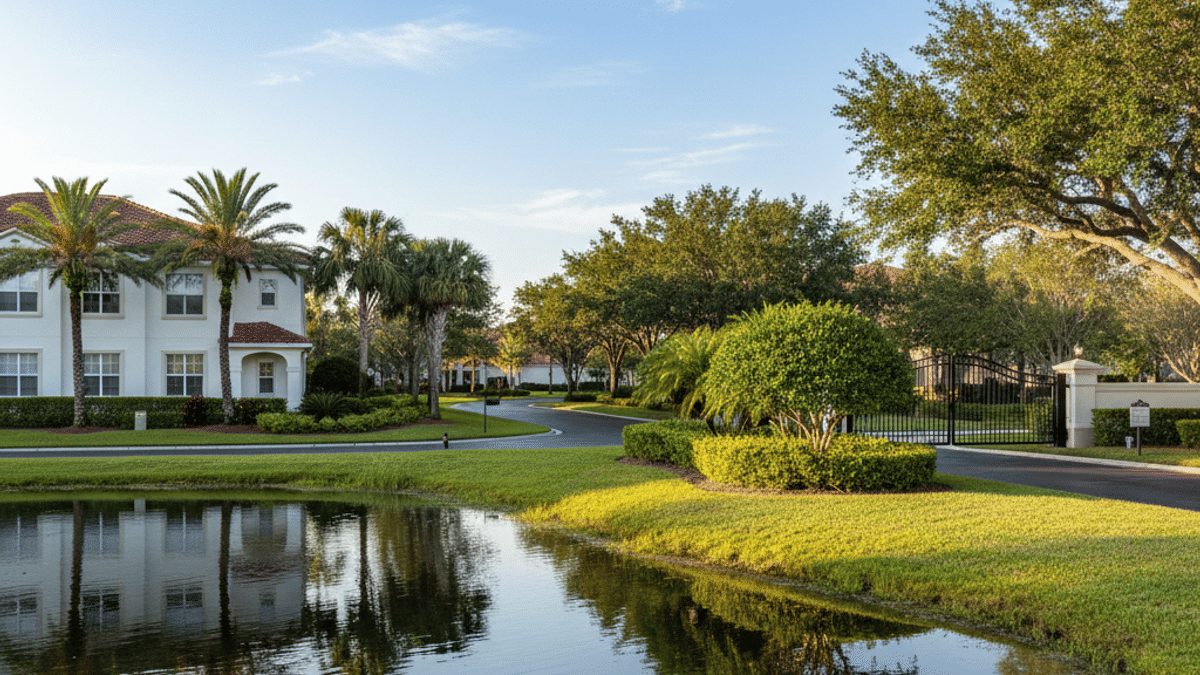
Gated single-family neighborhoods. Fees land in the 150 to 300 dollar range. Think of them as pool, playground, gate, and front-entrance landscaping dues. The siding, roof, and driveway sit firmly on your shoulders.
Why the leap for condos? Picture one leaky AC line on the twelfth floor. Multiply damage by twelve stories. Indoor common corridors, elevators, chilled-water systems, garage ventilation. Each layer equals a service contract. Contracts cost money, so the HOA fee climbs.
Even so, one person’s “high” is another person’s steal when you stack the fee against what it replaces. Roof replacement on a condo? Zero out-of-pocket when the reserves are healthy. The same job on a single-family roof can run fifteen grand overnight. Keep that trade-off in view before writing off a number as outrageous.
What Those Fees Actually Promise … And What They Hide
Marketing flyers love to shout “maintenance-free living.” The fine print tells a twistier story.
What you can usually trust:
- Lawn service on any area the association owns.
- A master insurance policy that covers walls-out on condos and common amenities everywhere else.
- Trash removal, roadway lighting, storm-water ponds, pest control in shared spaces.
- Reserve contributions. A portion of each fee is tucked aside for future big-ticket repairs.
What often gets fuzzy:
- Water, sewer, cable, internet. Sometimes they sit inside the fee, sometimes not. Confirm.
- Roof coverage in townhomes. Some HOAs handle it, others leave you hanging.
- Security gates. A shiny keypad does not guarantee 24-7 guard staffing.
Biggest hidden risk: special assessments. When reserves run dry and a surprise repair pops up, the board can levy a one-time charge that dwarfs the usual monthly hit. Insurance hikes can set this domino in motion too. Florida carriers keep pushing rates skyward after every stormy season. If the HOA’s policy jumps forty percent, your fee may tag along.
Another quiet pocket of risk sits in deferred maintenance. Drive the community at dusk. Cracked stucco, foggy windows, peeling railings, slow drains in the pool deck. Each ignored item hints that reserves may be thin. The HOA is hiding behind low fees today but setting up residents for a steep assessment tomorrow.
The Good, The Bad, and the Ugly: Evaluating the Quality of HOA Fees
A “good” HOA fee is less about dollars and more about balance. Cash in, services out, plus a cushion for what is coming in ten years.
Signs you are looking at a healthy situation:
- Reserves at or above 70 percent funded when compared with the latest reserve study.
- Consistent yet modest fee increases, maybe three to five percent a year, instead of roller-coaster jumps.
- Clear minutes that document completed projects on schedule. Roofs replaced when predicted, pool resurfaced on cue.
- Less than five percent of owners behind on payments.
The red-flag reel:
- Special assessments more than once in five years.
- Reserves below 30 percent funded.
- A lawsuit involving construction defects, elevator injuries, or disputes with the developer.
- Insurance premium spikes with no game plan on how to absorb them.
- Board meetings clogged by arguments instead of motions.
Ask for the last three years of budgets, income statements, and reserve studies. Scan the numbers and the trends. Are expenses rising faster than fees? Are large line items mislabeled as “miscellaneous”? Question them.
Also peek at the rules. Rental caps, pet limits, parking decals, holiday décor restrictions. Rules themselves are neither good nor bad. What matters is whether they fit your lifestyle. A fantastic pool means nothing if your golden retriever is not allowed through the gate.
Tips for the Savvy Buyer: Getting the Lay of the Land
Due diligence feels boring until it saves you ten grand. Run through this checklist before you fall in love with the lake view.
Key documents to request
- Current budget and year-to-date actuals.
- Reserve study.
- Master insurance declaration.
- Bylaws and CC&Rs.
- The last four sets of meeting minutes.
Questions the board or property manager should handle without fumbling
- Any pending special assessments?
- Percentage of owners thirty or more days delinquent?
- Planned capital projects in the next five years?
- History of insurance claims and premium changes?
- Existing vendor contracts and their expiration dates?
Sanity-check the amenity value
- Pool. How many months a year is it realistically swimmable and how many households share it?
- Gym. Commercial-grade equipment or a dusty treadmill?
- Elevator. You may never use it in a townhome building, yet you pay for inspections and servicing.
- Landscaping. Walk the grounds after heavy rain. Proper drainage or soggy patches?
- Gate or guard. Legit deterrent or decorative arm that stays open all day?
Compare life with and without an HOA
Without an HOA on a single-family house you will budget for:
- Roof replacement every fifteen to twenty years.
- Exterior paint.
- Lawn, tree trimming, irrigation repair.
- Trash service.
- Storm-water or private road maintenance if your street is off the county grid.
Bundle those projected numbers and divide by twelve. Many buyers discover that a 250 dollar HOA starts to look reasonable once they tally real-world upkeep.
Closing Thoughts: The Trade-Offs of Associations
Living in an HOA community around Windermere can feel like membership in a tiny city. You get shared spaces that someone else maintains. You hand over decision power to elected neighbors. You pay for the convenience and the curb appeal in one predictable, sometimes frustrating, line item.
For some owners the fee is freedom. No weekend mulch marathons. A phone call brings a vendor when the exterior stucco cracks. They gladly write the check and move on.
Others bristle at every rule and flinch each time the budget meeting hints at a hike. They would rather mow their own grass and stash cash in a personal reserve account.
Neither camp is wrong. The question is whether the specific HOA in front of you charges the right amount, handles the money well, and fits your lifestyle rules. Use the tools above, peek behind the glossy photos, and run the math twice. If the numbers and the culture make sense, that HOA fee may be the best money you spend in Windermere.
Seen a fee go sideways or a board pull off an impressive turnaround? Share your story with the next buyer standing where you are today. A little local truth-telling helps all of us navigate the game. Good luck out there.