What to Know About Buying a Home in Winter Park, FL
The median home price in Winter Park, FL sits around $800,000 right now, and that number reflects real demand – not just optimism. If you’re entering this market in 2026, expect a fast-paced environment where homes routinely go under contract in under a month.
That means you need to understand both the pricing dynamics and the distinct neighborhoods that make up the city before you start writing offers. The available inventory runs from historic estates near local museums to modern townhomes near the downtown core, so there’s a real range here depending on your budget and what you’re actually looking for day to day.
Understanding the Winter Park Housing Market
Recent MLS data shows 182 active listings across the city – about 3.7 months of supply. A balanced market runs closer to five or six months, so sellers hold a slight edge right now.
Of the 151 homes sold recently, the average sale-to-list price ratio came in at roughly 96.4%. Nearly 16% of those properties sold above asking. That said, homes sitting past the median 26 days do tend to leave room for negotiation, so it’s not a one-size-fits-all picture.
Current Prices and Inventory
The median sale price is roughly $799,500 – up 10% compared to this time last year. That’s a meaningful jump, and it matters when you’re budgeting for a down payment and closing costs.
With just under four months of supply, the most desirable listings are drawing multiple offers in their first few weeks of showings. When something fits your criteria, moving quickly isn’t optional.
Who This Market Fits Best
First-time buyers, investors, and relocating professionals are all competing for properties within the city limits. Investors tend to target homes needing updates; relocators usually want move-in-ready houses near major employers.
If you’re shopping the luxury end, you’ll find high-end estates – particularly on larger lots or near the local lakes. Stricter budgets push buyers toward condos or properties in neighborhoods a bit further from the downtown core.
Housing Types and Price Tiers
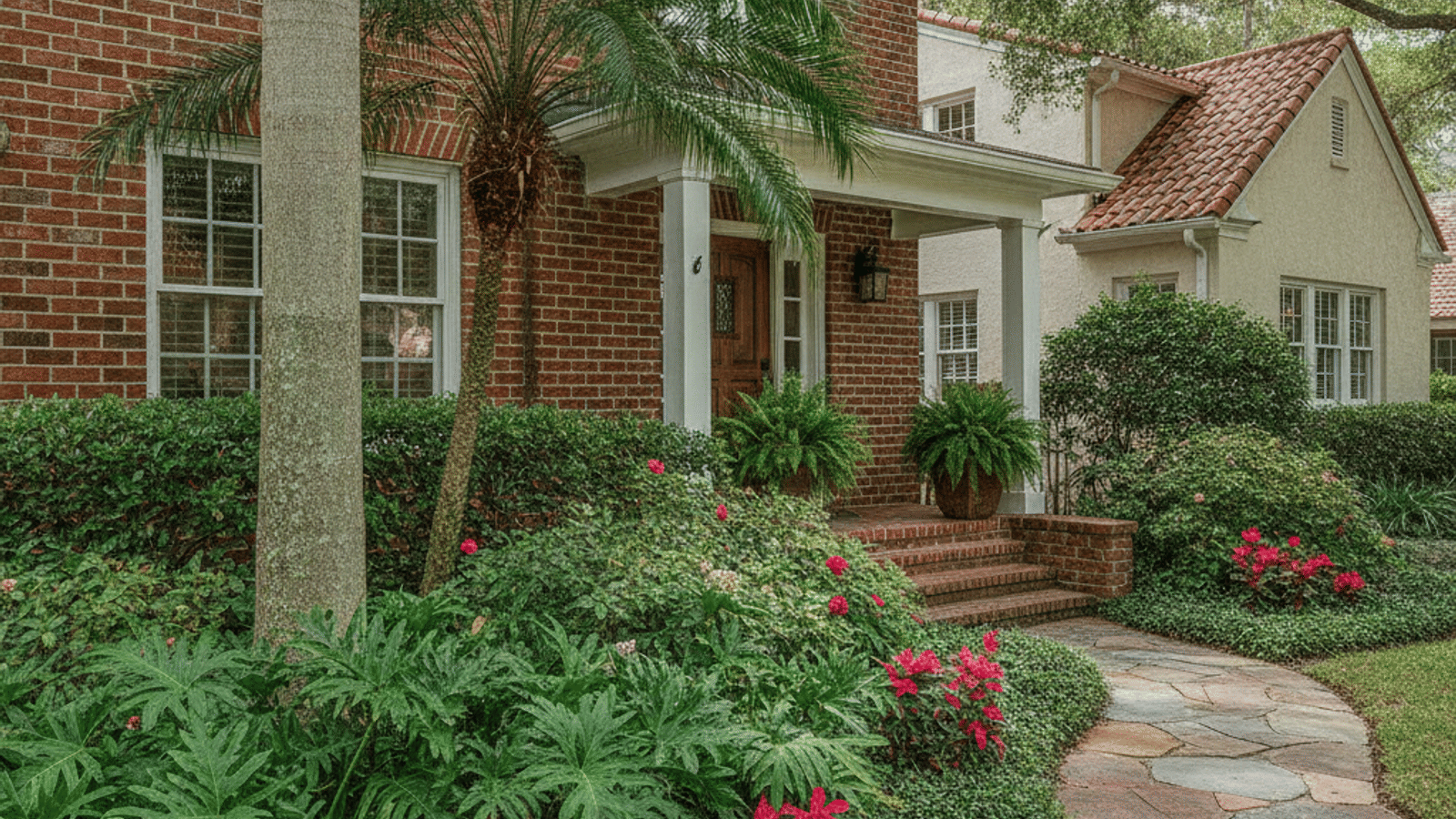
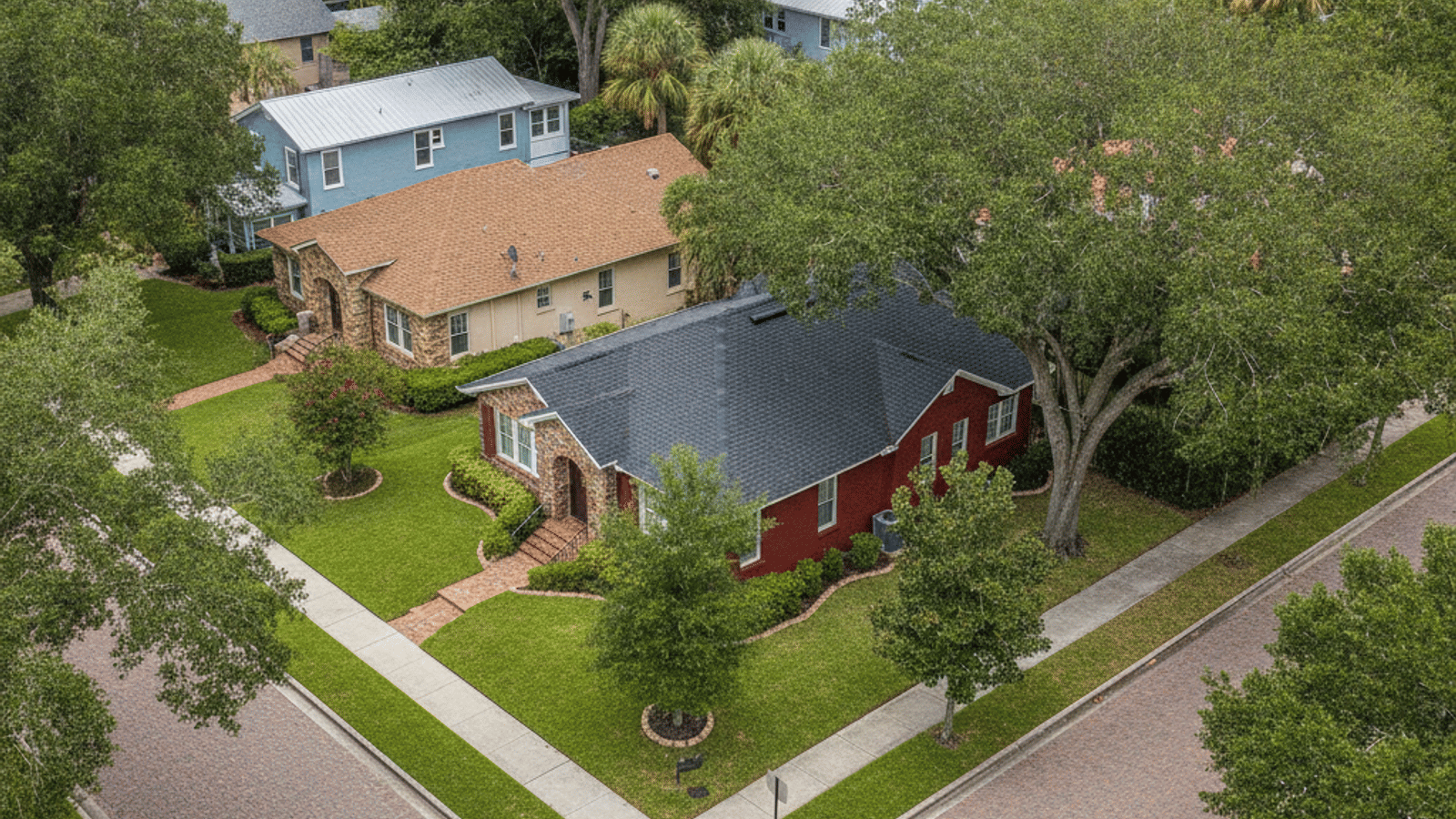
Single-family homes make up the majority of Winter Park’s housing stock. You’ll see mid-century ranch layouts alongside newer multi-story construction, often on the same block.
Condos and townhomes offer a lower barrier to entry and less exterior maintenance – a reasonable trade-off for buyers who don’t want to manage a yard or a pool.
Single-Family Homes and Estates
Detached single-family homes dominate the residential streets, with prices varying widely based on square footage and lot size. New construction carries a premium for modern floor plans and updated energy efficiency, and buyers generally know it going in.
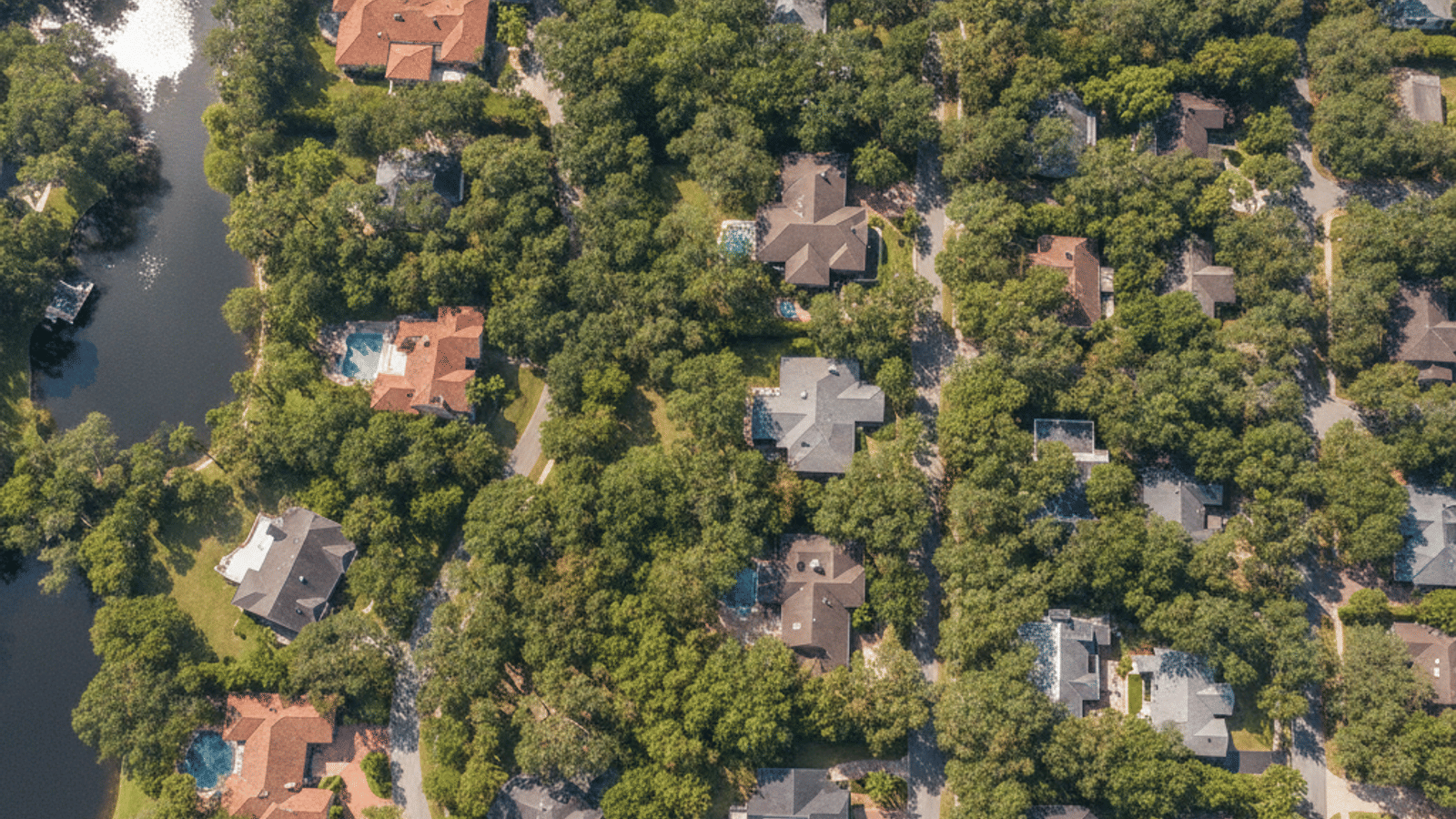
The luxury segment includes custom-built estates with private pools, extensive landscaping, and premium finishes. These properties list well above the city’s median and attract buyers for whom privacy is a priority.
Condos, Townhomes, and Entry-Level Options
Buyers looking for cheaper houses for sale in Winter Park, FL often start with the condo and townhome market. These attached units typically trade below the $800,000 median, which makes them a common entry point for first-time buyers.
One thing to account for: monthly HOA dues. They cover exterior maintenance and shared amenities, but they also directly affect your mortgage qualification ratios. Run those numbers before you fall in love with a unit.
Winter Park Neighborhoods to Consider
Location dictates price and lifestyle here in a very direct way. Buyers usually start by figuring out which parts of the city line up with their daily routines, then work backward to the listings.
Proximity to parks, landmarks, and commercial districts drives values across the area, and the differences between pockets can be significant even over short distances.
Historic Core and Museum Areas
The downtown historic core centers on Park Avenue – restaurants, retail, mature tree canopies, and walkable blocks. You’re also near Rollins College and Casa Feliz in this part of the city.
The Charles Hosmer Morse Museum of American Art is a signature landmark here. Homes near these cultural hubs tend to command higher prices, and that’s unlikely to change.
Baldwin Park and Residential Pockets
Beyond downtown, popular neighborhoods include Hannibal Square, Virginia Heights, and Baldwin Park, each with a distinct architectural character and layout.
Worth adding to your search: Winter Park Pines, Orwin Manor, and Dixie Terrace. These residential pockets give you varying lot sizes and streetscapes, so there’s more room to find something that actually fits your needs.
Location, Commutes, and Local Orientation
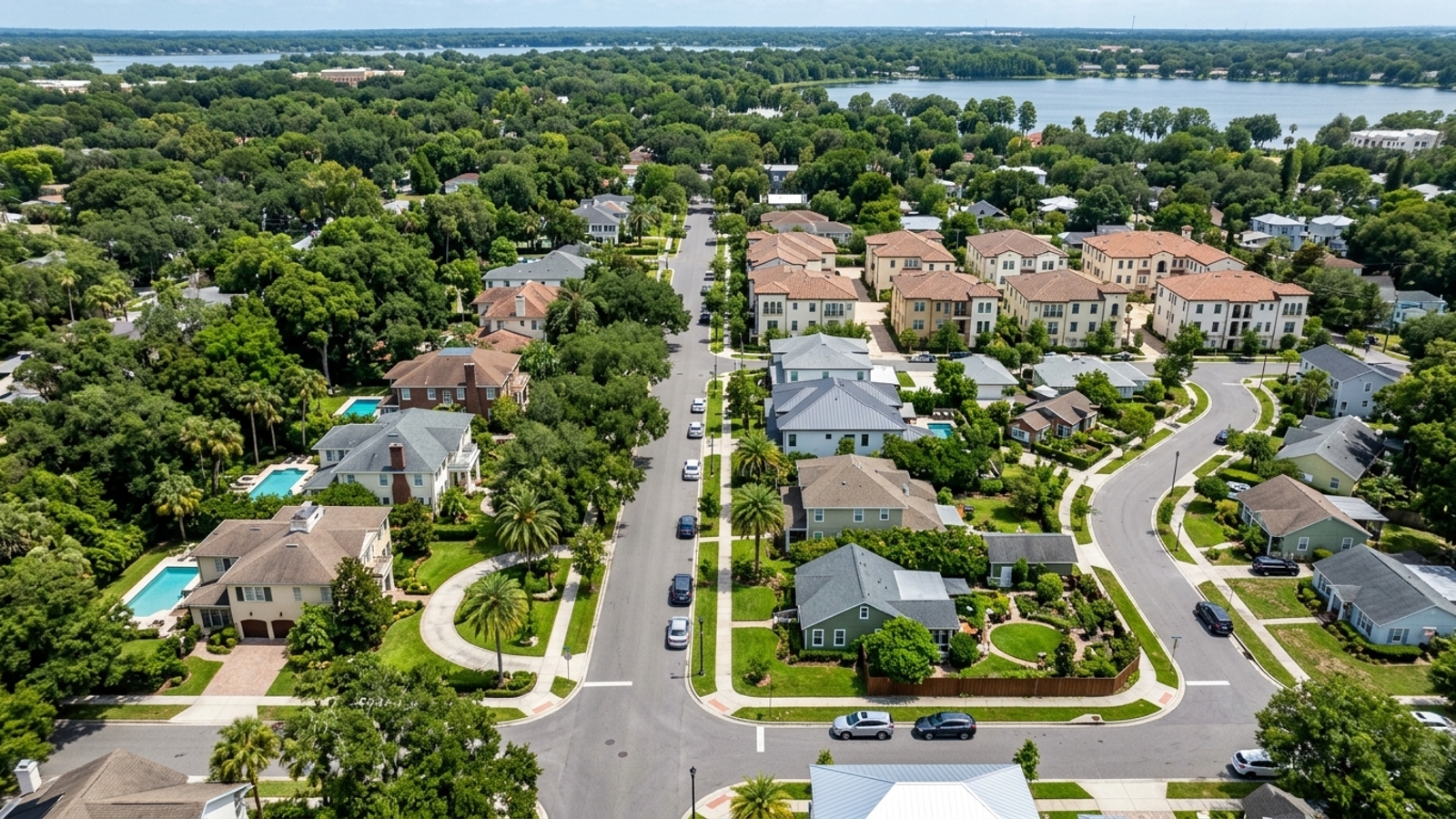
Winter Park is part of the Orlando – Kissimmee – Sanford Metropolitan Statistical Area. The city sits about seven miles north of downtown Orlando – close enough that it’s a common choice for people commuting into the larger metro, but far enough that it has its own identity.
Knowing the geographic boundaries helps you target your search. The city spans multiple ZIP codes and crosses two different county lines, which matters more than people expect once you get into taxes and services.
County Lines and ZIP Codes
Most of the city falls within Orange County, Florida, though small portions extend into neighboring Seminole County. That distinction affects property tax rates and local government services, so it’s worth verifying which county a specific house sits in before you get too attached.
Winter Park’s residential ZIP codes are 32789 and 32792. The city also uses 32790 and 32793, but those are for PO boxes only.
Distance to Orlando and Regional Transit
The seven-mile drive south into downtown Orlando is the backbone of the local commute. Traffic fluctuates during morning and evening rush hours – test the drive from your target neighborhood before you commit, not after.
For broader travel, residents rely on the regional highway system to connect to the rest of Central Florida. If airport proximity or transit access matters to your routine, check driving distances from specific listings rather than assuming the general area works.
Cost of Living and Community Setup
With a population just over 30,000 to 31,000 residents, Winter Park maintains a mid-sized footprint within the broader Orlando metro. The local economy and resident demographics shape what it actually costs to live here beyond the purchase price.
Monthly utility costs, property taxes, and general upkeep all factor into total ownership costs – and in Florida, those line items can surprise buyers who only ran the mortgage math.
Household Income and Expenses
ZIP codes in Winter Park carry an average household income of about $83,194, running roughly 16% higher than Florida’s state average. That context matters when you’re sizing up a market with an $800,000 median.
Supporting a mortgage at that level requires a solid financial foundation, especially with current interest rates factored in. Talk to a lender early and get a real number based on your down payment size – don’t guess.
Population and Climate
The 2020 census recorded Winter Park’s population at 29,795, and recent estimates show steady retention. The community is a mix of long-term residents and newer arrivals drawn to Central Florida.
Living here means adapting to a typical Florida climate: long, hot summers and mild, dry winters. Updated HVAC systems and energy-efficient windows aren’t luxuries in this environment – they’re practical budget items that affect your monthly costs.
Hiring a Real Estate Agent in Winter Park, FL
A market with 26-day median turnaround times doesn’t leave room for an agent who’s slow to respond. Local brokerages – including independent firms like Fannie Hillman and Florida Neighborhood Realty – offer agents who know the specific subdivisions and pricing trends here.
Interview more than one candidate before signing any representation agreement. The difference between winning a multiple-offer situation and losing it often comes down to the person running your side of the transaction.
Questions to Ask Potential Agents
Ask about recent transaction volume in your target ZIP codes. An agent who regularly closes deals in Baldwin Park or Orwin Manor understands those micro-markets in ways that general market knowledge doesn’t capture.
Also ask how they handle communication and scheduling. With less than four months of inventory, you need someone who can get you into a new listing fast – not someone who checks messages once a day.
Understanding Agent Commissions
Real estate commissions in Florida are negotiated between the seller and their listing broker. Under recent industry changes, you’ll want to discuss upfront how your agent’s compensation is structured and whether you’ll owe any portion of that fee at closing.
All of it has to be spelled out in a written buyer broker agreement. Read that document carefully before you tour a single home.
The Florida Home-Buying Process
Purchasing real estate in Florida involves specific timelines, standard contracts, and state-level disclosure requirements. The sequence moves quickly once a seller accepts your offer, so having your financing and inspection team ready before you start writing contracts isn’t just good advice – it’s a practical necessity.
Pre-Approval and Making an Offer
A mortgage pre-approval is your starting point if you need financing. Sellers in this market aren’t going to seriously consider offers from buyers who can’t provide proof of funds or a valid lender letter.
Offers are drafted using standard Florida real estate contracts. These documents cover the purchase price, target closing date, and any contingencies you need to move forward – so understanding what you’re signing matters.
Inspections and Closing Costs
Florida contracts include an inspection period. Use it. Hire licensed professionals to look at the roof, HVAC system, and plumbing – those are the areas where expensive surprises tend to hide in Florida homes.
Closing costs typically include title insurance, documentary stamp taxes on the deed and mortgage, and standard lender fees. Ask your lender for a detailed estimate early in the process. The closing table is not the place to be surprised by a number.
Frequently Asked Questions
What should I watch out for when buying a historic home in Winter Park, FL?
It depends on the specific property and its location. Historic homes near Park Avenue or the Morse Museum may have local preservation rules governing exterior updates. Thorough inspections covering older plumbing, electrical systems, and roofs are non-negotiable.
How much are average property taxes and HOA fees for Winter Park homes?
This varies based on the county and the specific neighborhood. Homes in the Orange County portion of the city will have different tax rates than those extending into Seminole County. HOA fees depend entirely on the individual subdivision or condo association.
Is it better to buy a house in Winter Park or neighboring Maitland?
That depends on your budget and commute preferences. Winter Park offers direct access to amenities like Rollins College and Casa Feliz, alongside a median home price near $800,000. Tour both areas and see which one actually fits your daily routine.
How fast do houses typically go under contract in the Winter Park market?
Homes for sale in Winter Park currently spend a median of 26 days on the market. Properties priced well and in good condition often attract offers well before that median.
Do I need special flood insurance to buy a property on the Winter Park Chain of Lakes?
It depends on the home’s specific elevation and flood zone designation. Lenders require flood insurance for properties in high-risk zones, so check the specific maps for any lakeside property you’re considering before you get attached to it.
Which Winter Park, FL neighborhoods are zoned for the highest-rated public schools?
School zoning lines shift, so check the current district maps for neighborhoods like Virginia Heights, Winter Park Pines, or Baldwin Park. Always verify the specific address with the local school board – general neighborhood boundaries aren’t reliable enough to count on.