# Buying a Home in 2026: The Weather and Climate in Windermere, FL
Central Florida receives an average of 50 to 53 inches of rain each year, shaping both the landscape and the local housing market. Buyers looking at properties in Orange County quickly learn that the weather dictates everything from architectural styles to monthly utility budgets.
The local environment features a humid subtropical climate with distinct wet and dry seasons. Knowing how these seasonal shifts impact a home helps buyers make informed decisions about roof types, pool enclosures, and energy-efficient upgrades.
## General Climate Patterns and Seasonal Shifts
The year is split into a hot, wet summer and a mild, dry winter. From late May through September, residents experience intense heat combined with daily afternoon showers. These scattered thunderstorms usually roll in between 2:00 PM and 6:00 PM, providing a brief cooldown before clearing up for the evening.
Winter brings a completely different environment to the area. Days are mostly dry with low humidity, drawing seasonal residents who want to escape freezing northern temperatures. This prolonged dry season requires less lawn mowing but increases the need for automated irrigation systems to keep landscaping healthy.
Consistent moisture and warmth throughout much of the year also mean homeowners should plan for regular exterior maintenance. Routine pest control and pressure washing are standard parts of property upkeep in this climate.
## Temperature Ranges Throughout the Year
Winter mornings in January and February typically start in the mid-50s before warming into the 70s by mid-afternoon. Spring provides a gradual transition, with rising temperatures and moderate rainfall preparing the local flora for the wet season.
By July and August, afternoon highs consistently reach the low-to-mid 90s. Humidity levels frequently hover between 70 and 90 percent during these peak summer months, making the air feel warmer than the actual temperature. Fall brings relief starting in late October, as humidity drops and precipitation decreases.
* **Winter (December to February):** Lows in the 50s and highs in the 70s with minimal rain.
* **Spring (March to May):** Gradually increasing heat and humidity with moderate, scattered showers.
* **Summer (June to September):** Highs in the 90s, high humidity, and a strong chance of precipitation almost every afternoon.
* **Fall (October to November):** Dropping humidity, fewer storms, and temperatures returning to the 70s and 80s.
## Hurricane Preparation for Inland Homes
The Atlantic hurricane season runs from June 1 to November 30 every year. While Windermere, FL sits inland and avoids the direct storm surge that coastal cities face, the area still experiences high winds and heavy rainfall from passing tropical systems.
Many local properties feature specific upgrades designed to withstand these weather events. Buyers will frequently see impact-resistant windows, reinforced garage doors, and specialized roof tie-downs on newer construction and renovated homes. These features often qualify homeowners for discounts on their property insurance premiums.
Homeowners should keep an eye on the National Weather Service and a reliable local hurricane tracker during late summer and early fall. Early preparation allows residents to secure loose outdoor furniture and stock up on supplies well before a storm approaches.
## Outdoor Recreation Around the Weather Forecast
The warm environment allows for year-round use of local golf courses, tennis courts, and walking trails. Residents simply adjust the timing of their activities based on the daily weather forecast. During the summer, morning tee times are popular to avoid the peak heat and afternoon rain.
Boating on the Butler Chain of Lakes is a major draw for the area, but it requires paying attention to the sky. Boaters typically head out early in the day and return to the dock before the standard afternoon chance of showers and thunderstorms materializes.
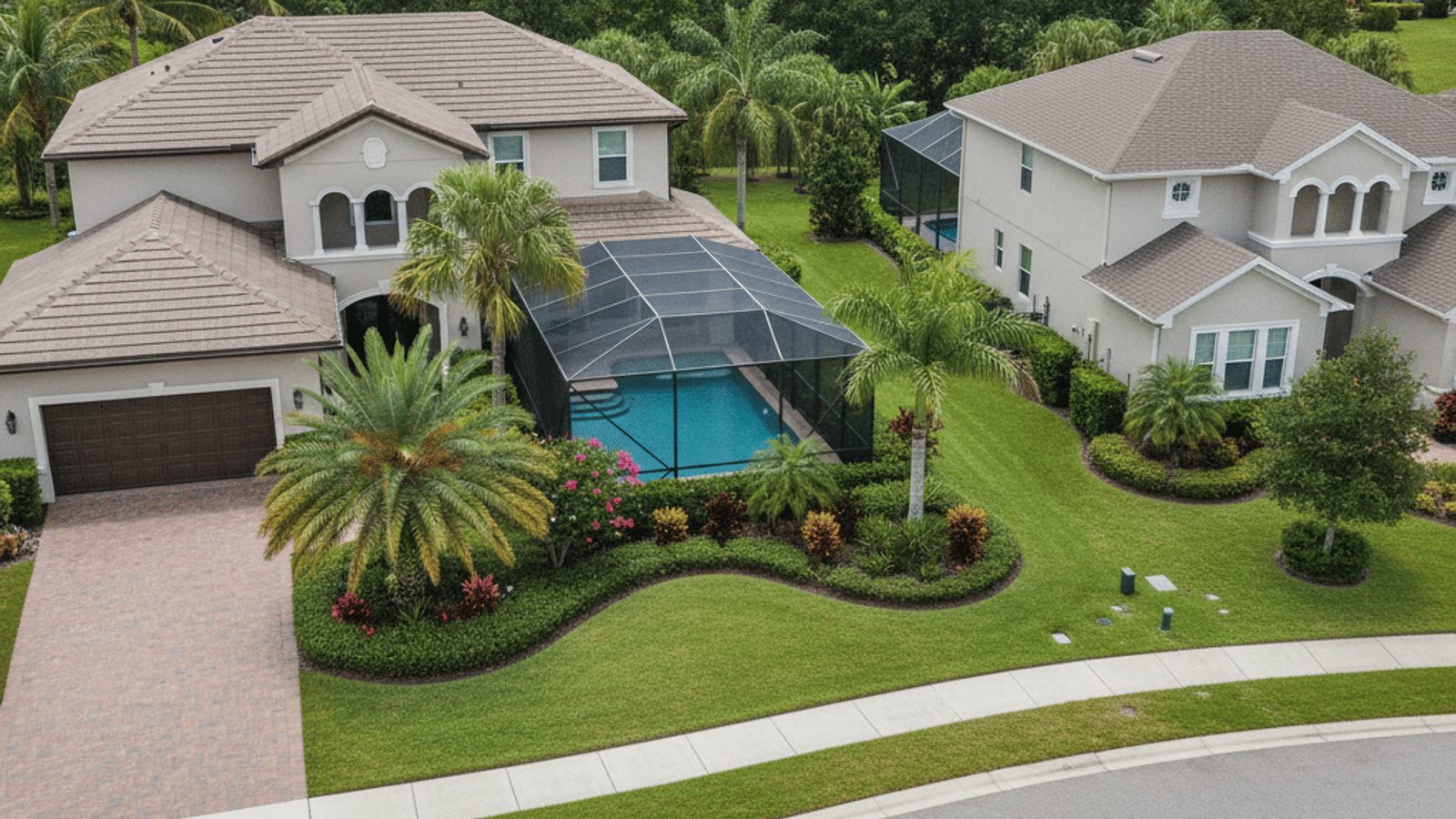
To maximize outdoor living, almost all homes feature covered lanais and screened pool enclosures. These structures keep leaves out of the water and allow residents to enjoy their backyards without dealing with mosquitoes or sudden downpours.
## Cooling Costs and Energy Efficiency
Running an air conditioner from May through September accounts for a large portion of a homeowner’s utility budget. Summer electric bills often range from $150 to well over $300, depending on the square footage and age of the property.
Buyers look closely at energy-efficient features when touring homes to help manage these costs. Multi-zone HVAC systems, programmable thermostats, and high-quality attic insulation make a noticeable difference in monthly expenses. Homes with older, single-pane windows or aging ductwork often cost more to keep comfortable.
A well-maintained HVAC system is a major selling point in the local real estate market. Sellers should ensure their air conditioning units are serviced regularly, as home inspectors will carefully evaluate the cooling equipment during the due diligence period.
## Frequently Asked Questions
### What is the windiest month in Windermere?
March typically brings the highest sustained winds to the area as late-winter cold fronts push through Central Florida. Average wind speeds peak during this transitional spring month before settling down for the calmer, though stormier, summer season.
### How often do hurricanes hit Windermere, FL?
Direct hits from major hurricanes are rare, but the town usually experiences tropical storm-force winds and heavy rain from passing systems every few years. Because it is located about 50 miles inland, the area is shielded from coastal storm surges, making wind and localized street flooding the primary concerns.
### Do I need a screened pool enclosure in Windermere?
While not legally required, a screen enclosure is a standard feature that most buyers expect to see. It reduces the rate of water evaporation in the summer sun, keeps frogs out of the filter system, and provides shade during peak afternoon heat.