A 90-Second Snapshot
Sitting on the western lip of the Orlando metro, Winter Garden has elbowed its way onto a lot of short-lists lately. Rough population check for early 2025: right around 55,000 permanent residents and climbing at roughly 4 percent a year. Translation—people are moving in, not bailing out. Median resale price? About $465K, up 13–15 percent since 2023, with new-construction pushing that average even higher in certain ZIPs. New apartments and town-home clusters hug SR-429, but historic bungalows still anchor the downtown grid. Top three things every newcomer should chew on:
- How much you really want to live inside the golf-cart district (it’s a vibe and a budget).
- Commute math—SR-429 looks innocent at noon; try it at 7:45 a.m.
- Flood zones. We get pop-up downpours that turn a manicured lawn into a moat in ten minutes.
That’s the quick-start. Let’s crack each piece open.
1. Where the Houses Actually Are (and Why That Matters)
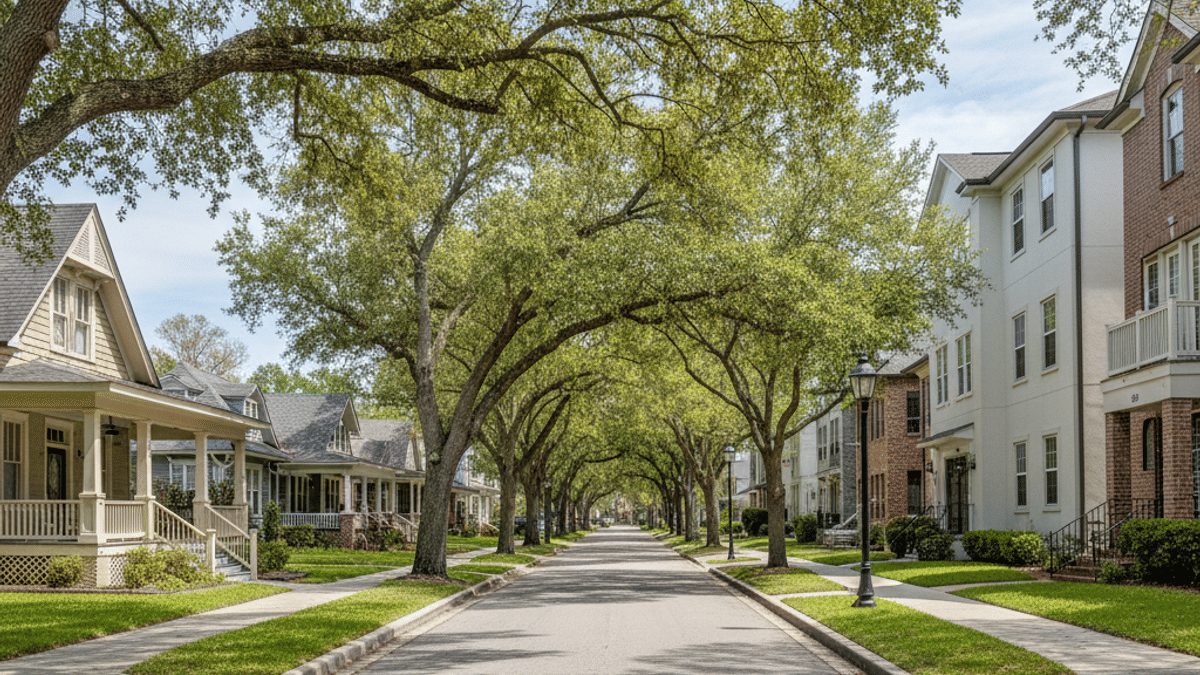
Winter Garden is not one tidy suburb; it’s a patchwork of eight or nine micro-pockets, each built during a different economic moment. If you drive east to west on Plant Street you can watch the architecture age in reverse—1920s brick storefronts fade into 2020s glass-and-steel town homes in less than three miles. A few things to note before you go Zillow-scrolling:
- Downtown golf-cart zone
- Roughly everything within a mile of the heritage fountain.
- Average lot size: small. Price per square foot: large.
- Expect traffic restrictions during Friday farmers market.
- Horizon West fringe
- Master-planned neighborhoods from 2016 onward.
- Builder incentives still pop up, but HOA dues sneak higher each year.
- Quick hop to Walt Disney World’s employment hub (if that’s your thing).
- East-side step-ups (Tildenville & Daniels Road corridor)
- Older ranch homes on quarter-acre plots.
- Investors sniff around here because flip margins beat downtown margins.
The wild card? Lakefront parcels. They rarely show up in public search portals because agents call three buyers the moment one surfaces. Bring cash or a creative lender if that’s your dream.
A final pro-tip I learned the hard way: pull an elevation certificate before you fall in love with a backyard dock. FEMA redrew several flood maps in late 2024 and premiums spiked for half the shoreline streets.
2. The Commute Reality Check
Sure, every brochure flaunts “Easy access to SR-429 and the Turnpike.” True on paper. Real-life rhythm is messier:
- SR-429 northbound backs up near Winter Garden Village at 8:00 a.m. like clockwork.
- The Turnpike on-ramp redesign (the one locals begged for) isn’t slated to finish until Q4 2025.
- If you remote-work three days a week, you may never feel the pinch. Five-day commuters: build padding into your mental schedule.
Some insider tricks:
- Bike-and-Ride West Orange Trail on Tuesdays/Thursdays. The paved trail parallels Plant Street and intersects with Lynx bus line 105. Not glamorous, but cheaper than premium gas.
- Flex your errands between 10 a.m. and 3 p.m. DoorDash drivers clear out and school pickups haven’t started. Grocery parking lots feel post-apocalyptic—in the good way.
- Target Heathrow? Skip I-4 entirely. Hook south to World Drive, then scoot north on CR-535. GPS will swear you’re nuts, yet you’ll beat the clock by 12 minutes on average.
Bottom line—you can live in Winter Garden and work anywhere from Downtown Orlando to Clermont. Just know the secret back roads or learn to love podcasts.
3. Life Between the Houses (A.K.A. Community Energy)
Ask ten residents why they stay and at least four will say, “The little things.” Examples:
- Friday on the Plaza. Live acoustic set, lawn chairs, string lights, zero pretension.
- Crooked Can Brewing sneaks coffee stout into donut glaze at Plant Street Market. Dangerous.
- Your neighbor might deliver a bag of Valencia oranges because they own one too many trees.
Less Instagram-worthy but equally telling: volunteer sign-ups for the spring trail cleanup cap out within 48 hours. Folks show up and put sweaty work gloves where their mouth is. That synergy bleeds into civic chats—city council meetings draw enough people to require an overflow room.
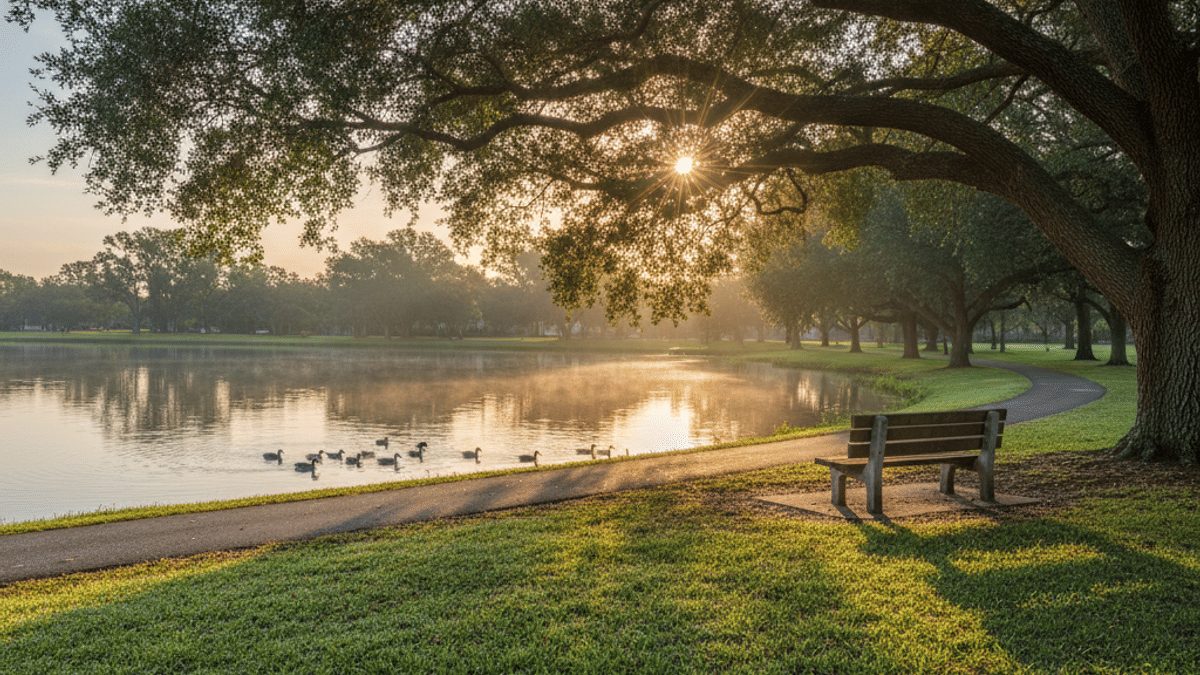
If you’re a park-person, note the difference in atmospheres. Newton Park leans quiet: sunrise paddle-boards gliding across Lake Apopka. Tucker Ranch, on the other hand, feels like a micro-festival on Saturdays: yoga groups under the oak canopy, pop-up food trucks, acoustic jam circles because—why not? Pick your scene or bounce between both.
One warning: parking downtown during Plant Street’s autumn craft fair? May the odds be ever in your favor. Locals roll in on bicycles or golf carts; newcomers learn after circling twice.
4. Schools, Courses, and Up-Skilling Beyond K-12
People love ranking websites. That’s fine, but I’ll hand you what numbers don’t: hallway feel. Whispering Oak Elementary buzzes with parent volunteers; the drop-off lane may look chaotic, yet it runs with NASCAR precision. Lakeview Middle? The media center was revamped in 2024 with podcast booths students actually use—a shocker if you’ve toured schools where fancy spaces gather dust.
West Orange High is the flagship most buyers ask about. Quick facts:
- Average graduation rate: 96 percent last two years.
- Academy tracks: health sciences, culinary arts, digital animation.
- Varsity sports fill bleachers but don’t swallow budgets for everything else.
Beyond public schools, Valencia College’s Horizon West Center rolled out night courses in data analytics—huge for remote workers aiming to reskill without slogging downtown. Rollins College and UCF are a manageable commute if you’re game for further study.
Parents often ask me about zoning turbulence. Here’s the candid answer: Orange County redraws boundaries every few years to balance overcrowding. Before signing a contract, pull the most recent OCPS interactive map and confirm the school number on the exact parcel, not just the street. Same street, different side, different school—I’ve watched that surprise sink deals.
5. Weather, Water, and Unexpected Costs
Central Florida weather is a mood ring. Afternoon lightning? Epic. Bring furniture inside? Sometimes yes. A couple of hidden expenses newcomers overlook:
- Homeowner’s insurance. The statewide shake-up in 2023 sent some carriers scurrying. Expect premiums around $4K–$6K on a $500K house, higher if your roof is 15+ years old. Shop early; bind late.
- HOA drainage assessments. Elevated water tables mean retention ponds need periodic dredging. Boards keep fees moderate, yet a one-time special assessment of $450–$900 hits wallets every five years or so.
- Utility tiers. Lake-sourced irrigation water is cheaper, but some developments pipe potable water to sprinkler heads. Double-check your meter type—summer bills can double if you’re on city lines.
Hurricane shutters—are they a must? Building code requires impact glass on most new builds. Older cottages rely on quick-mount panels. Price out storage space; the panels aren’t light.
Oh, and one more climate quirk: oak pollen. February dusts cars yellow for three straight weeks. If you’re a sneezer, keep antihistamines ready and maybe budget for an HVAC filter subscription.
Wrapping Up Your Winter Garden Game Plan
Let’s circle back. You’ve got: a housing market that keeps inching upward, micro-neighborhoods that feel drastically different block to block, commutes you can hack with insider routes, a community that still borrows cups of sugar the old-school way, and school options that put tech gear in kids’ hands—not just slogans on brochures. Layer on weather quirks, rising insurance lines, and the occasional HOA curveball, and you’ve got the real, un-airbrushed picture.
So, are you still picturing yourself on a Plant Street patio by next spring? Run the numbers, scout the flood map, and maybe schedule a Friday sunset visit. Winter Garden looks great at golden hour—and decisions somehow get easier when the jazz band tunes up.
Five Quick-Hit FAQs
- Is the cost of living in Winter Garden outpacing Orlando overall? Housing is the swing factor. Groceries and utilities mirror greater Orlando averages, but median home prices sit roughly 10 percent higher than zip codes east of downtown.
- What’s the typical property tax millage? Count on 17–18 mills once you combine city, county, and school district rates. On a $500K assessed value after exemptions, you’re eyeing roughly $7,500 a year.
- Can I short-term rent my home on weekends? Only in specific overlay districts. Most HOAs and city ordinances require a minimum 30-day lease, so verify before banking on Airbnb income.
- Does Winter Garden have public transport besides buses? No light-rail yet. Lynx operates the main bus routes, and the city subsidizes an on-demand shuttle pilot (think micro-transit vans) within downtown boundaries.
- Are there still buildable lots, or is everything infill? A handful of raw lots remain west of Avalon Road, but most new construction is infill or knock-down rebuilds. Partner with a local surveyor early to avoid easement surprises.
Ready to keep digging? Call, text, or flag me down at the farmers market—I’ll be the one juggling grapefruit and property comps.