Why bother with Winter Park anyway
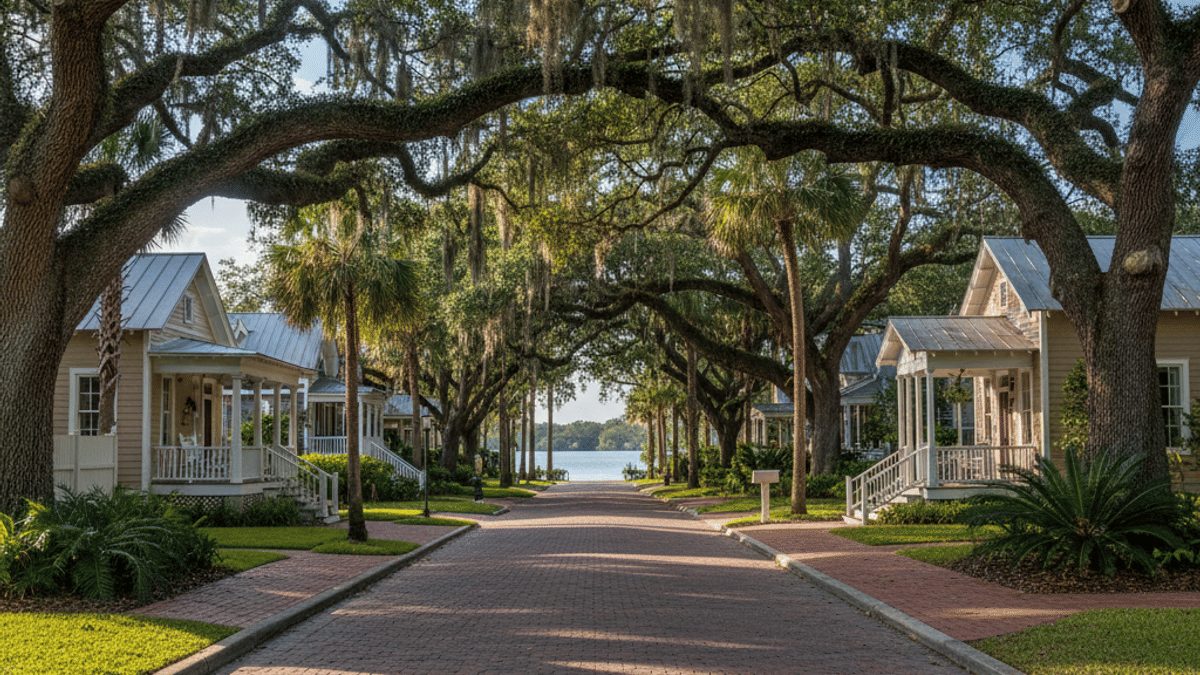
You keep hearing the name. Winter Park. Brick streets draped in oak canopies, lakes sparkling behind historic cottages, boutiques that smell like fresh leather, and art festivals that clog the sidewalks in a good way. The vibe feels relaxed, almost small-town, yet Orlando’s business hubs sit ten minutes down I-4. People move here because they want charm without giving up city paychecks.
Now the question most buyers whisper: can I swing the price tag?
A quick spoiler. The cost of living index for Winter Park floats about three percent higher than the national average and roughly ten percent higher than the state average. That sounds tame until you notice the lines on a closing statement or study the power bill after a swampy July. Dig a little and the numbers tell a fuller story.
Housing and utilities 2025 reality check
The biggest line item is still the roof over your head. Sales data through March 2025 shows:
- Median price, single-family resale: $775,000
- Median price, condo/town-home: $395,000
- Average rent, two-bed apartment built after 2015: $2,490 per month
- Average rent, 1960-era garden apartment: $1,785 per month
Notice the spread. Winter Park’s housing stock is a quilt of eras. Craftsman bungalows near Rollins College, lakefront estates north of Palmer Avenue, shiny mixed-use mid-rises on Denning Drive.
Older complexes can feel budget-friendly at first glance. Look closer, factor in electric bills from original HVAC systems and you may spend the same as the neighbor in a high-efficiency loft.
Empty lots are rare, so most new builds happen on tear-down sites. Construction costs keep climbing, partly because the city demands strict design review. Builders quote $300 to $400 per square foot for custom work. If you want modern lines with detached guest suites, $450 per foot is not shocking.
Utility quirks that surprise newcomers
Electricity
Duke Energy controls the local grid. A 2,000-square-foot home with a two-unit heat pump averaged $245 in August 2024. January dropped to about $165. Add a pool heater and your summer bill jumps above $350.
Water and sewer
The city sells its own water. Rates rise in tiers. Cross 10,000 gallons and the per-gallon fee almost doubles. High-efficiency irrigation timers save real money here. A family of four commonly pays $90 in winter and $140 in peak lawn-watering months.
Internet
Fiber is available on most blocks south of Fairbanks. Spectrum and AT&T battle for customers. Gigabit service sits around $80 monthly, equipment included. Businesses can tap 2-gig plans at about $135.
Hidden HOA fees
Some lakefront streets look public yet are maintained by micro-associations that charge $800 to $1,200 annually for seawall upkeep and private boat ramps. Buyers miss this line item more often than you’d think.
Add every category and a typical homeowner pushes $600 a month in utilities before groceries hit the cart.
The tax bite
Florida brags about zero state income tax, but property levies make up for it. For 2024-2025 the combined millage in most Winter Park neighborhoods sits at 17.3 mills. Translate mill-speak to dollars and you are looking at $1,730 per $100,000 of assessed value.
Homestead exemptions soften the blow. Claim primary residency and the first $50,000 of assessed value drops off the ledger. A couple moving from a state that taxes wages often ends up even or slightly ahead after the math.
More numbers buyers overlook:
- Stormwater utility fee: $180 per year on single-family lots
- Fire assessment: $250 flat charge, collected with tax bill
Sales tax on goods remains 6.5 percent, same as the rest of Orange County. Groceries avoid that levy unless you wander into prepared-food counters.
Could rates climb? The city commission floated a half-mill increase in 2023 but tabled it. Budget workshops this summer will raise the topic again. Keep one eye on the agenda if you close later in the year.
What you will pay for eggs, coffee and weekend fun
Publix dominates daily shopping but locals mix in specialty stops:
- Winter Park Farmers’ Market on West New England Avenue, every Saturday. Heirloom tomatoes in peak season go two dollars below grocery price, honey and micro-greens go above.
- Lombardi’s Seafood on Fairbanks. Grouper fillets at $22 per pound, live blue crab around $14.
- The Bulk Pantry on Orange Avenue. Bring your own jars, scoop quinoa, granola, or dark chocolate espresso beans at wholesale.
An average cart for a household of three costs $176 at Publix, $152 at Aldi, $212 at Whole Foods. No surprise there.
Eating out? A cappuccino at New General runs $4.75, a pressed Cuban at Black Bean Deli lands just under $12, and Chef’s tasting at Prato will flirt with $95 before wine. Locals swear brunch at Briarpatch edges out both coasts, yet the waitlist can stretch 90 minutes on Sunday.
Weekend entertainment does not always dent the wallet. The Morse Museum, home of the largest Tiffany glass collection in the world, charges adults $6 and lets kiddos in free. Winter Park Scenic Boat Tour glides through the canals for $18 a seat and you end up with a geography lesson disguised as a cruise.
Concert tickets at the new Edyth Bush Theatre start at $35. A minor-league soccer game across the border in Sanford hits $15. If your idea of downtime is paddle-boarding on Lake Maitland, budget $25 an hour rental or drop $850 for your own inflatable board then forget rental fees for good.
Seasonal spikes to remember
- Art Festival week in March inflates hotel rates for visiting relatives and drives up Uber surge pricing.
- Rollins College move-in pushes temporary demand for storage units, popping short-term rates from $100 to $160 monthly.
- Hurricane season brings bottled-water hoarding which sillier markets turn into price hikes. Stock a reusable jug dispenser and skip that game.
Moving around town
Gas in April 2025 averaged $3.46, about nine cents higher than the national average. That mirrors central Florida tourist demand.
Public transit exists but almost nobody here builds life around it. The SunRail commuter train stops at the brick depot on New England Avenue. A monthly pass costs $84 and covers trips south to Kissimmee or north to DeBary. Service stops by 9 p.m. Saturday and never runs Sunday. Relying on it full-time means strict schedule discipline.
Ride-share fares inside city limits usually stay under $10. Late night runs from downtown Orlando creep toward $25. Owning a car still rules. Insurance premiums sit near $2,100 annually for an average sedan, higher than the state median because repair shops file pricey claims after hailstorms.
Electric vehicles are climbing the scene. Fifty public Level-2 chargers hide in garages at Park Avenue, Hannibal Square, and AdventHealth. Charging remains free for the first two hours then slides to $1.50 per hour, cheaper than a latte.
Cyclists swear the Cady Way Trail handles east-west trips faster than rush-hour traffic, zero cost unless you count sweat. Helmets are optional by law for adults, smart riders wear them anyway.
The real day to day vibe
Cost of living math is rarely cold. It mixes with how your shoulders feel when you step outside at dusk, how quickly you find friends, whether you can snag a seat at Foxtail Coffee without hovering like a vulture.
Locals mention three quality-of-life perks that offset the bills:
- Lakes cool down evening temps. Sitting on a dock with a cheap pizza feels like a mini getaway.
- City services answer calls within twenty-four hours. Downed tree? Someone shows before lunch.
- Walkability around Park Avenue means you can ditch the car three nights a week. That change alone saves on gas, parking tickets, and aggravation.
Of course there is a tradeoff. You may write a mortgage check $500 higher than one county north. Your lawn guy will charge more because his crew needs permit passes to dump clippings at the city yard. But ask ten residents if they would move to cut costs and nine shrug. They would rather clip a restaurant habit or Airbnb the guesthouse during spring break than give up the zip code.
Quick questions everyone asks
Is Winter Park pricier than Maitland or College Park?
Yes on housing, a toss-up on everything else. A $750,000 home in Winter Park finds a near twin in Maitland at $625,000. Grocery and utility bills match.
How have housing prices shifted lately?
Year-over-year, single-family homes climbed five percent in 2024, slower than the wild twelve percent spike in 2022. Condos stayed flat.
What can new residents expect regarding taxes?
Factor 1.7 percent of purchase price for annual property taxes. File homestead paperwork by March 1 after closing to lock savings.
Are there affordable entertainment options?
Plenty. Sunset concerts at Mead Garden run free. Outdoor movies at Central Park request a five-dollar donation. The city hosts monthly “Sip, Shop, Stroll” nights where five dollars buys a wine glass and store samples.
How does Winter Park compare to Miami or Tampa for cost of living?
Housing under a million dollars trades at a premium to Tampa, discount to prime Miami. Utilities are similar, car insurance much lower than Miami.
Ready to weigh your move
You could chase cheaper square footage thirty minutes farther out, that is true. Much of central Florida offers lower sticker prices. Yet cost of living is more than a spreadsheet. Winter Park asks for a bit more money and gives back charm, culture, and quick city access. If that equation feels balanced to you, reach out. I can pull neutral market data, tour neighborhoods, and show you where hidden fees lurk before you write an offer. Because knowing the numbers is step one, turning them into a lifestyle you love is the real finish line.