Where to Buy a Home in Winter Park, FL: Neighborhoods & Prices for 2026
Winter Park, FL sits just north of downtown Orlando in Orange County, with a population of approximately 29,929 residents. That’s a small city by most measures, but the real estate market doesn’t price like one – the median sale price hovers around $800,000 as of mid-2026, well above what you’d pay in most of the surrounding Orlando metro.
What you’ll find here is a genuine mix: historic estates, mid-century ranch houses, newer attached properties, and everything in between. This guide walks through how the city is laid out, what different housing types actually cost, and how to think about specific areas based on your budget and where you need to be every morning.
How Winter Park is Organized
Winter Park is part of the Orlando–Kissimmee–Sanford, FL Metropolitan Statistical Area, and most addresses fall within Orange County – though if you’re looking near the northern edge of town, you may be brushing up against the Seminole County line. That distinction matters more than most buyers realize at first.
The city’s layout is largely organized around two anchors: the Winter Park Chain of Lakes and the brick-paved Park Avenue commercial corridor. Once you understand where those are, the rest of the map starts to make sense.
Winter Park’s Place in the Orlando Metro
Commuters are drawn here partly because the proximity to downtown Orlando is genuine. Major thoroughfares connect the residential neighborhoods directly to the urban core, and for most people working in the city center, the daily drive is manageable.
The layout itself moves through distinct historic districts, lakefront subdivisions, and newer commercial zones. That variety is one of the reasons buyers keep circling back to Winter Park – but it also means your commute experience can differ significantly depending on which side of town you’re on. Drive it during rush hour before you commit to an area.
Choosing an Area to Buy
Don’t start by looking for the single best neighborhood. Start by filtering on housing type and price point. The market moves fast – homes are averaging roughly 26 days on the market before going under contract – so knowing what you’re after before you start touring saves you real time.
Detached homes and attached properties cluster in different parts of the city, and that distinction affects both your purchase price and whatever monthly association fees come with the deal. Get clear on which type fits your situation before you pull up the map.
Map of Winter Park Neighborhoods
A map does more than orient you – it shows you how close (or not) a specific street sits from the chain of lakes, from Park Avenue, and from the nearest highway on-ramp. Those distances tend to move prices more than almost any other variable in this market.
Official zoning and boundary maps from the city can also confirm which municipal services cover a given address. That’s not a detail to sort out after you’re under contract.
Interactive Neighborhood Map
Online property portals and local brokerages offer interactive maps where you can filter active listings by price, square footage, and property type. They’re useful tools, but use them carefully.
Pay close attention to municipal boundaries when you’re searching. Some homes carry a Winter Park mailing address but sit in unincorporated Orange County – and that difference affects your property taxes and the city services you’ll receive. Don’t assume the mailing address tells the whole story.
Areas by Geography
The southern and western sections of the city tend to have more established mid-century housing stock and solid commercial access. The central area is anchored by historic downtown and the immediate lakefront.
Head north toward the Seminole County line and the housing age and style shift noticeably. Lot sizes and architecture vary enough that it’s worth driving through each zone rather than relying on online photos to form an impression.
Winter Park Neighborhoods by Home Type and Price
Local inventory currently sits at around 182 available homes, and the price range is wide – a condo near a commercial corridor and a detached house on the water are essentially different products in the same city. Sellers are getting about 96.4% of their list price on average, so this isn’t a market where lowball offers do much work.
Grouping your search by property type gives you a more honest read on what your budget can actually secure.
Detached Single-Family Homes
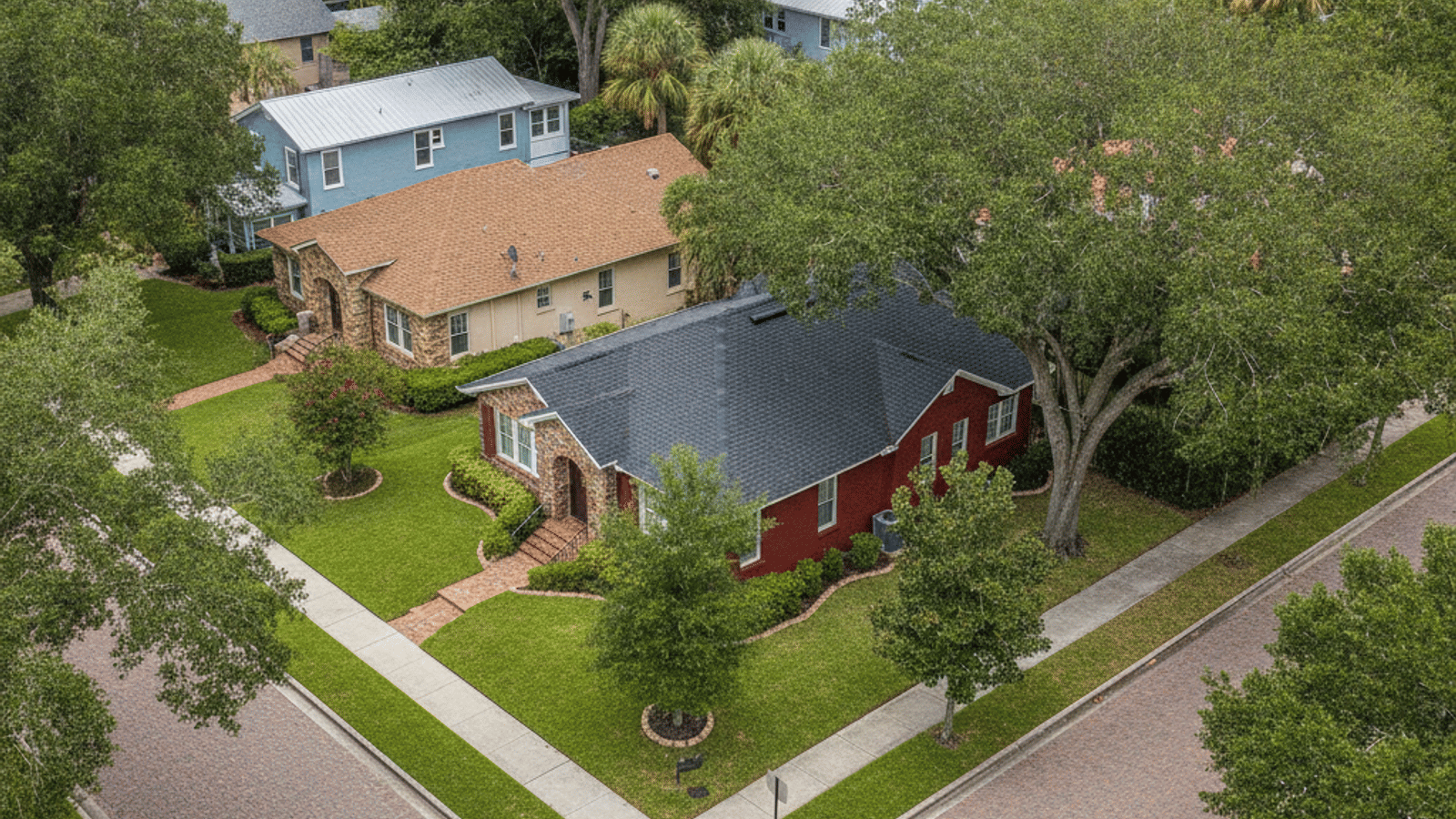
Single-family homes make up the bulk of Winter Park’s residential streets, ranging from older ranch-style houses to newly built custom estates. Prices generally start near the city’s $800,000 median and move up from there – sometimes significantly – for properties with upgraded interiors, larger lots, or water access.
Budget accordingly for insurance and property taxes on detached structures. Florida insurance premiums on larger homes aren’t trivial.
Condos and Attached Homes
If the detached market is out of reach, condos and townhomes offer a real way in. These properties tend to cluster near the commercial corridors and along major transit routes, and they price below the city median.
The trade-off is monthly HOA fees. Before you calculate what you can afford, run those fees through your debt-to-income ratio – they reduce your purchasing power more than most buyers expect going in.
Historic and Older Homes
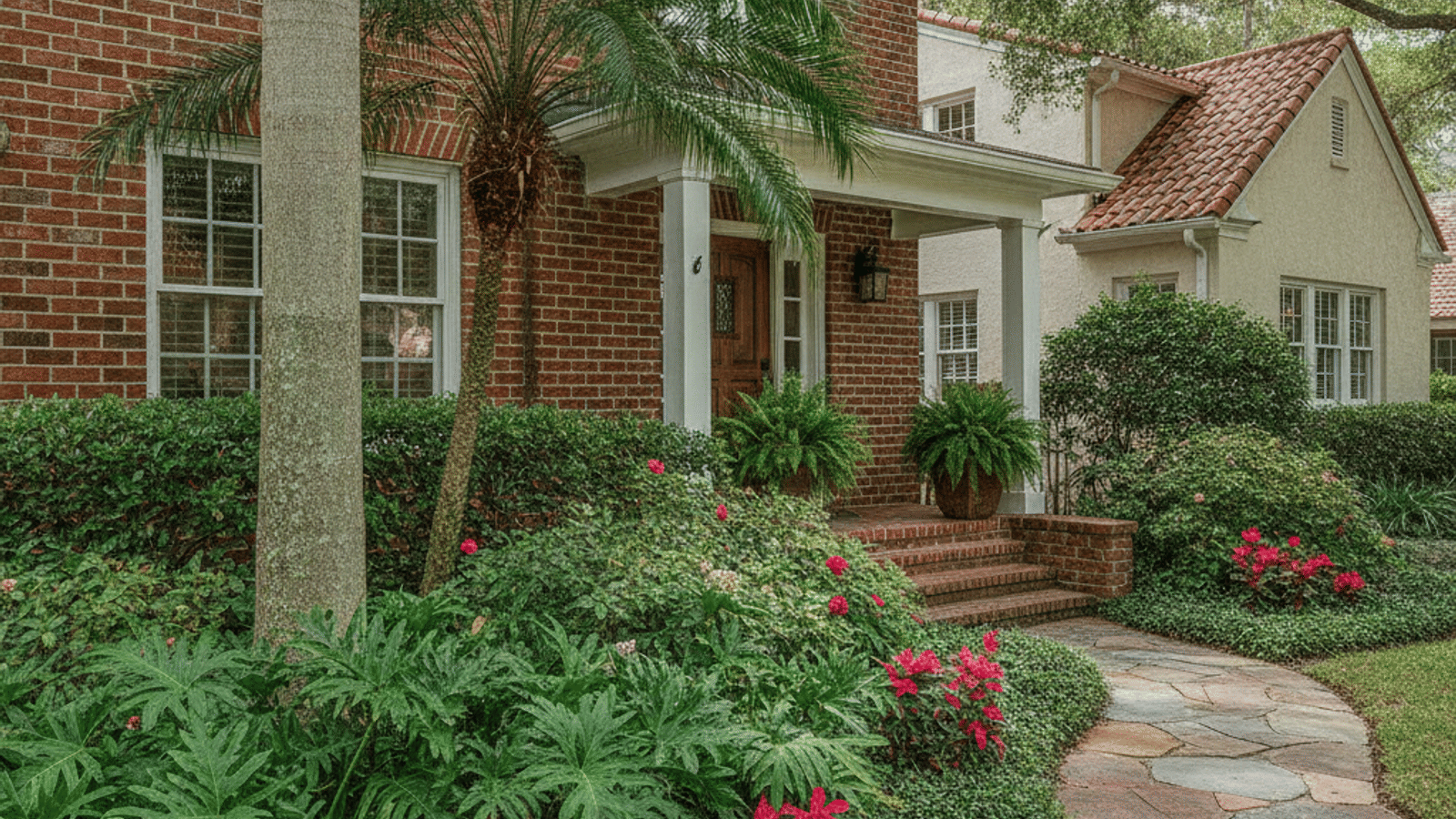
Winter Park’s historic neighborhoods feature architecture dating back to the early 20th century, and a lot of it is genuinely distinctive – hardwood floors, custom millwork, exterior facades you won’t find in new construction. If that’s what you’re after, this city has it.
What you’re also buying is age. Budget for potential updates to plumbing, electrical, and roofing, and hire an inspector who actually knows historic construction methods. A standard home inspection isn’t always sufficient for a 90-year-old house.
New Construction Communities
Vacant land in Winter Park is scarce, so new construction here tends to come through redevelopment or infill projects rather than large master-planned communities. These homes offer modern floor plans, energy-efficient systems, and current building codes.
Builders typically sell before construction finishes. If you’re going this route, review the developer’s timeline carefully and understand exactly what warranties come with the purchase.
Neighborhood Profiles
The profiles below are built on objective real estate characteristics – dominant home styles, price ranges, and property types – not subjective rankings. Buyers can use these details to line up their search with the kind of housing that actually fits their needs.
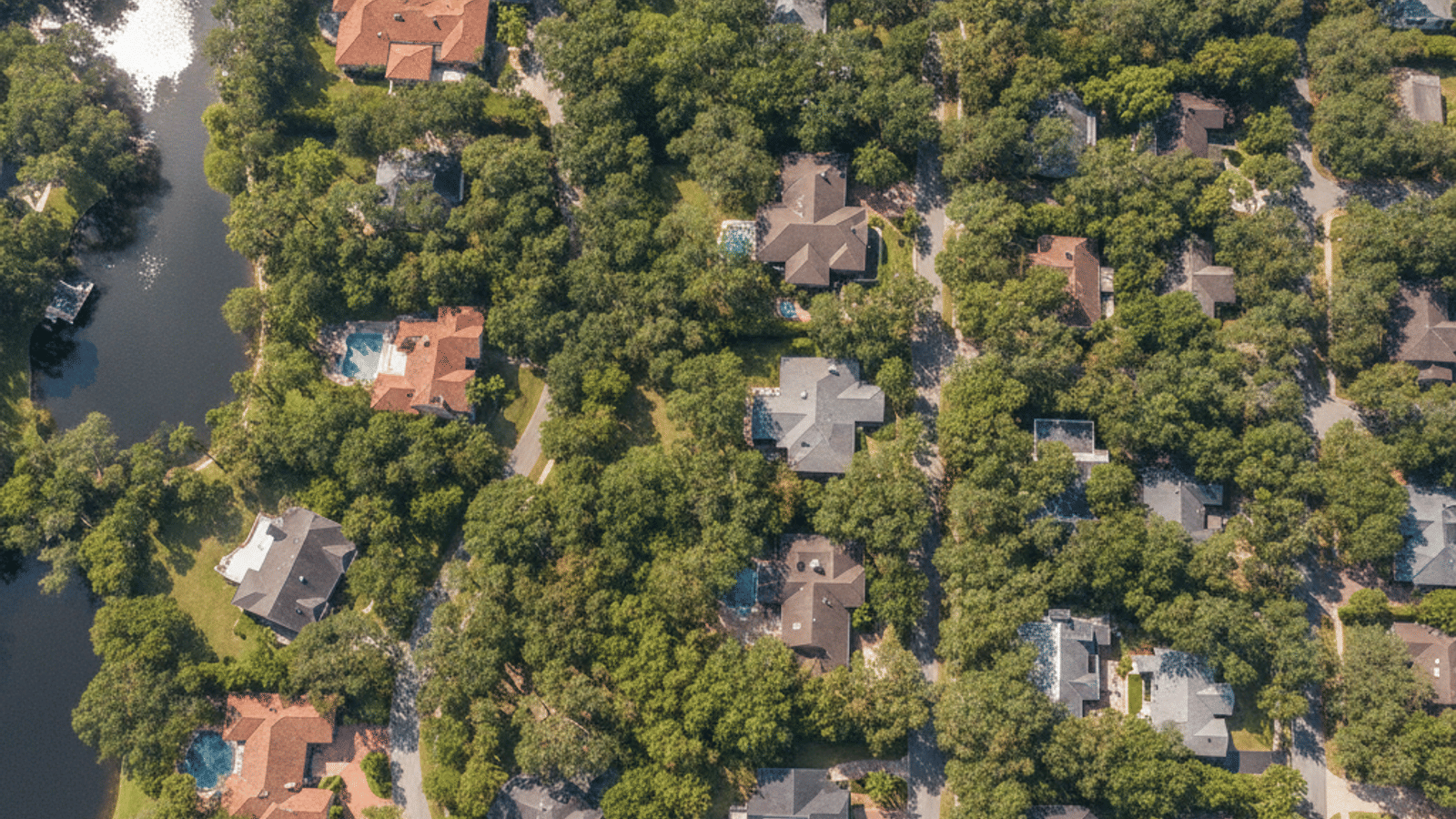
The city mixes high-density commercial zones with lower-density residential tracts, and understanding where those boundaries fall makes a meaningful difference in what daily life looks like.
Park Avenue and Historic Winter Park
This is the brick-lined center of the city – the area most people picture when they think of Winter Park. The housing stock runs toward historic estates, luxury condos, and updated single-family homes.
Prices reflect that. Buyers here should expect to exceed the city’s $800,000 median, often by a significant margin, particularly for anything within immediate walking distance of the avenue. The boutique shopping and dining access is priced in.
The Winter Park Chain of Lakes
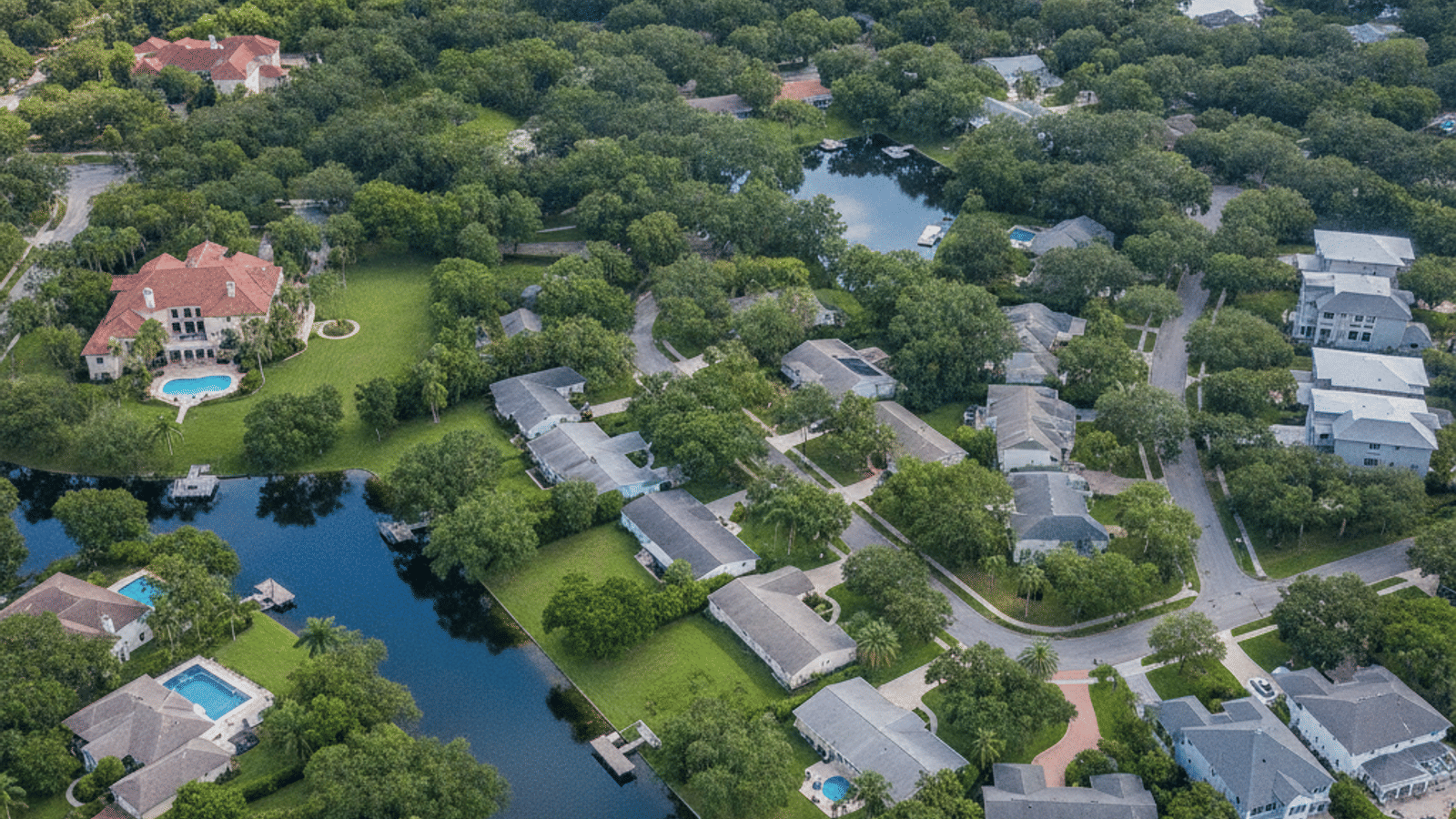
The chain includes Lake Osceola, Lake Maitland, Lake Virginia, Lake Killarney, and Lake Baldwin. Properties on these waters represent some of the highest-priced real estate in the entire Orlando metro area, and the homes are primarily large, detached single-family estates.
One detail buyers sometimes miss: the lakes are connected by navigable canals. That’s a genuine amenity, but it also means you need to carefully review water-access rights and dock permits on any specific property before you go under contract. Those details vary by lot.
Cost of Living and the Local Housing Market
With a median sale price around $800,000, housing is the dominant line item in any Winter Park household budget. The market is competitive – roughly 151 homes sold in a recent 30-day period – and the broader cost of living reflects the city’s position as a premium market within Central Florida.
Property taxes, homeowners insurance, and year-round utility costs all need to be part of your monthly calculation before you settle on a target price.
Home Prices and Living Costs
The Winter Park average home price sits well above the broader Orlando median. Condos can get you in below the $800,000 mark, but detached homes in specific subdivisions clear $1 million without much effort.
Beyond the mortgage, you’re looking at standard Florida living costs – year-round air conditioning and higher insurance premiums for wind mitigation among them. Neither is optional.
Researching Crime Data
For crime data, go to official sources. The Winter Park Police Department provides a crime-mapping tool showing incidents reported within city limits – use that, not third-party ranking sites.
For areas outside the immediate city boundaries, the Orange County Sheriff’s Office maintains a Crime Map Portal. Both tools let you search specific addresses and date ranges to see actual incident reports, which is the only reliable way to evaluate a specific block.
Orange and Seminole County School Districts
Most of Winter Park is served by Orange County Public Schools (OCPS). Attendance zones determine the specific school assignment for any given address, so the general neighborhood name doesn’t tell you much.
Properties near the northern boundary may fall under Seminole County Public Schools instead. Verify the exact boundary lines through the official district websites before you submit an offer – not after.
Finding a Home in Winter Park
With roughly 3.7 months of supply available, this market leans toward sellers. Preparation matters more than persistence – buyers who know their budget, have their financing in order, and understand what they’re looking at move faster and make better decisions than those who are still figuring things out mid-search.
About 15.6% of homes are currently selling above asking price, which tells you something about what competitive offers look like right now.
Searching by Neighborhood
Set up automated alerts for the specific subdivisions you’re targeting. In a market where homes average 26 days before going under contract, seeing a new listing the day it hits the MLS isn’t optional – it’s the baseline.
Filter by property type and maximum price from the start. And check days on market for individual areas as you search – it’ll tell you how quickly you need to act in each part of the city.
Renting Versus Buying
Some buyers choose to rent in Winter Park first, which does have a logic to it: you test out commute times, get a feel for the infrastructure, and make a more informed purchase decision later.
The trade-off is real, though. Renting doesn’t build equity, and rental rates in Winter Park reflect the same strong demand that’s driving purchase prices. Short-term flexibility costs something. Whether that cost is worth it depends on your timeline.
Working with a Local Agent
An agent who knows Orange County’s nuances can pull historical sales data for specific streets, help you evaluate what a home is actually worth in context, and draft offers that are competitive without being reckless.
They should also connect you with local lenders, inspectors, and title companies. Having that team in place before you find a house you want – not after – is what makes the difference between a smooth closing and a stressful one.
Frequently Asked Questions (FAQ)
Which Winter Park neighborhoods offer the best walkability to Park Avenue?
Properties in Historic Winter Park offer the most direct pedestrian access to Park Avenue. The housing stock immediately surrounding that corridor includes historic estates and luxury condos.
What are the most affordable neighborhoods to buy a home in Winter Park, FL?
It depends on the property type. Buyers looking for lower prices generally focus on condos and townhomes rather than detached houses. Areas further from the Winter Park Chain of Lakes and the Park Avenue district tend to have lower entry prices relative to the $800,000 city median.
Which Winter Park neighborhoods are zoned for the best public schools?
School assignments are determined by your specific address, not the neighborhood name. Most of the city is zoned for Orange County Public Schools (OCPS), while some northern sections fall under Seminole County Public Schools. Check the official district boundary maps to confirm your zoning before making an offer.
Are there strict historic preservation rules when buying in older Winter Park neighborhoods?
Yes. Homes within officially designated historic districts are subject to specific municipal preservation rules. Exterior modifications, additions, or demolitions typically require a review process by the city to maintain the area’s architectural character.
What do I need to know about buying a lakefront home on the Winter Park Chain of Lakes?
Water access, dock permitting, and waterfront property taxes are all factors you need to understand before purchasing on the chain. These are some of the highest-priced properties in the Orlando metro area, and you’ll want an agent with specific experience in navigable canal regulations.
How fast are homes currently selling in popular Winter Park neighborhoods like the Vias?
Across the Winter Park market, the median is 26 days. Properties near the lakes or Park Avenue tend to move faster, and about 15.6% of recent citywide sales have closed above the list price.