What Does It Really Cost to Live in Longwood, FL in 2026?
Most cost-of-living calculators put Longwood, FL at roughly 6% above the national average, and the single biggest reason is housing. According to AreaVibes, the local housing index runs about 27% higher than the U.S. baseline, while everyday categories like utilities actually come in a few points lower. That gap between shelter and everything else is the story of the budget here, and it is worth breaking down in real dollars before you decide what your monthly numbers will look like.
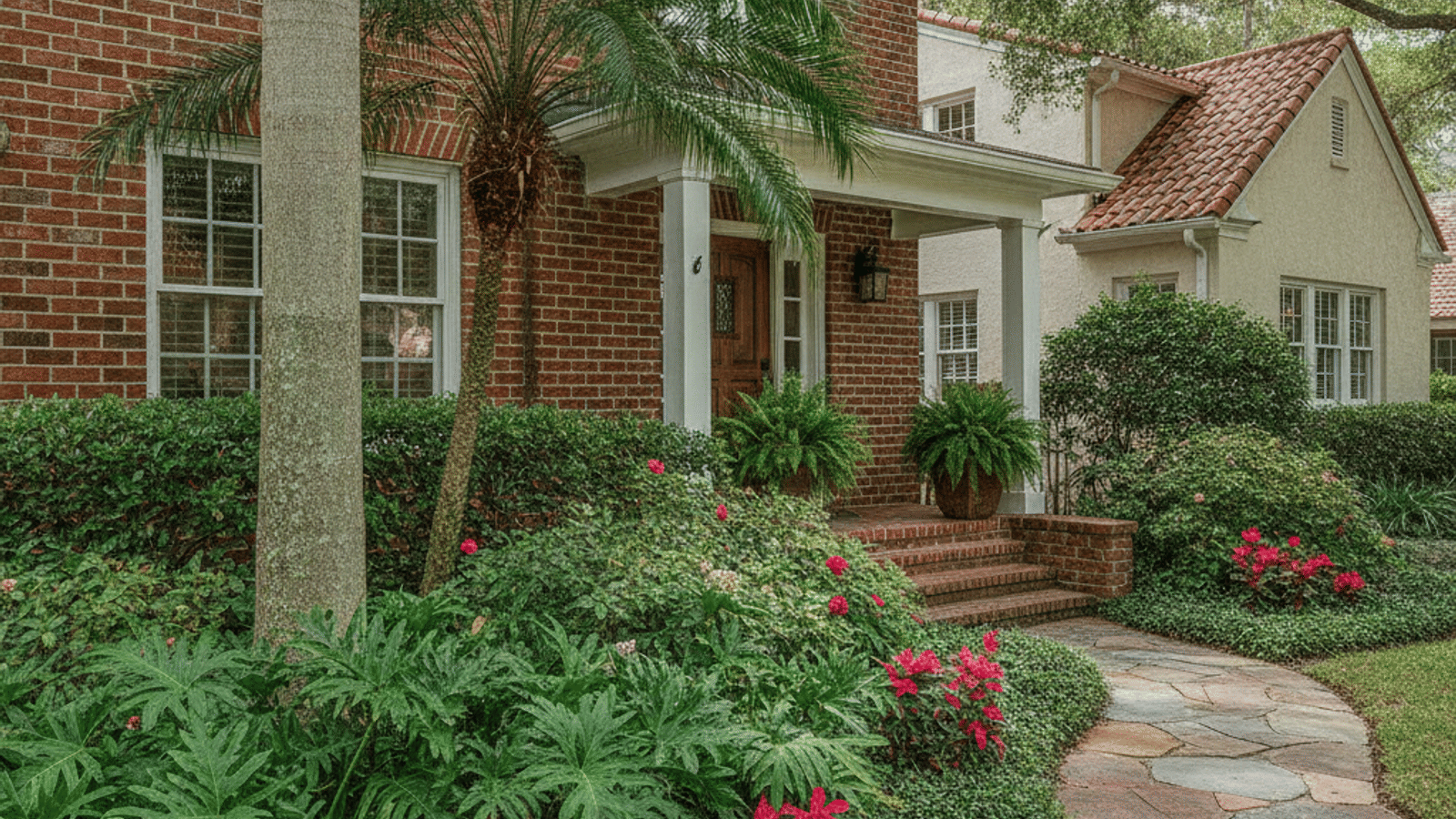
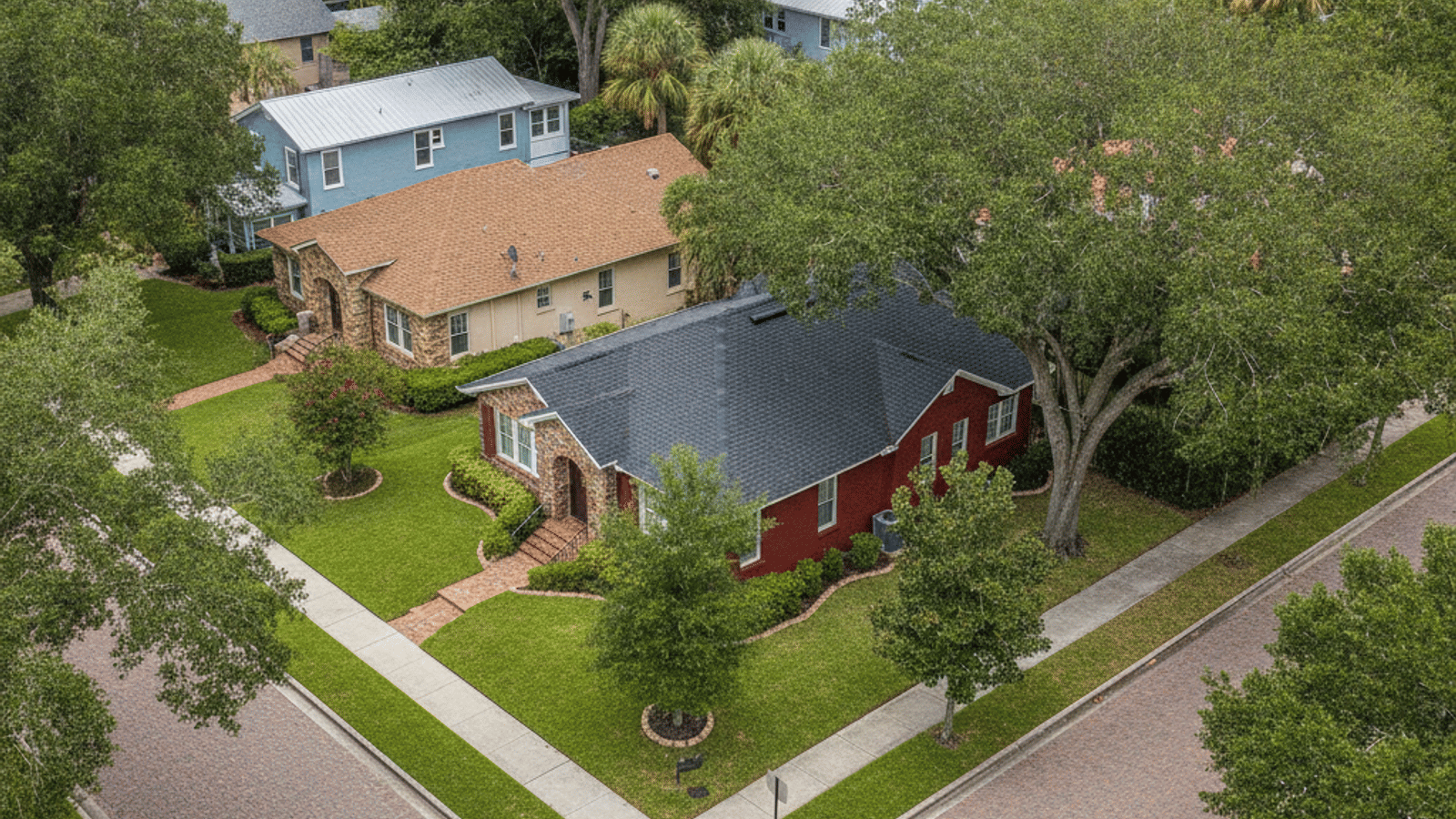
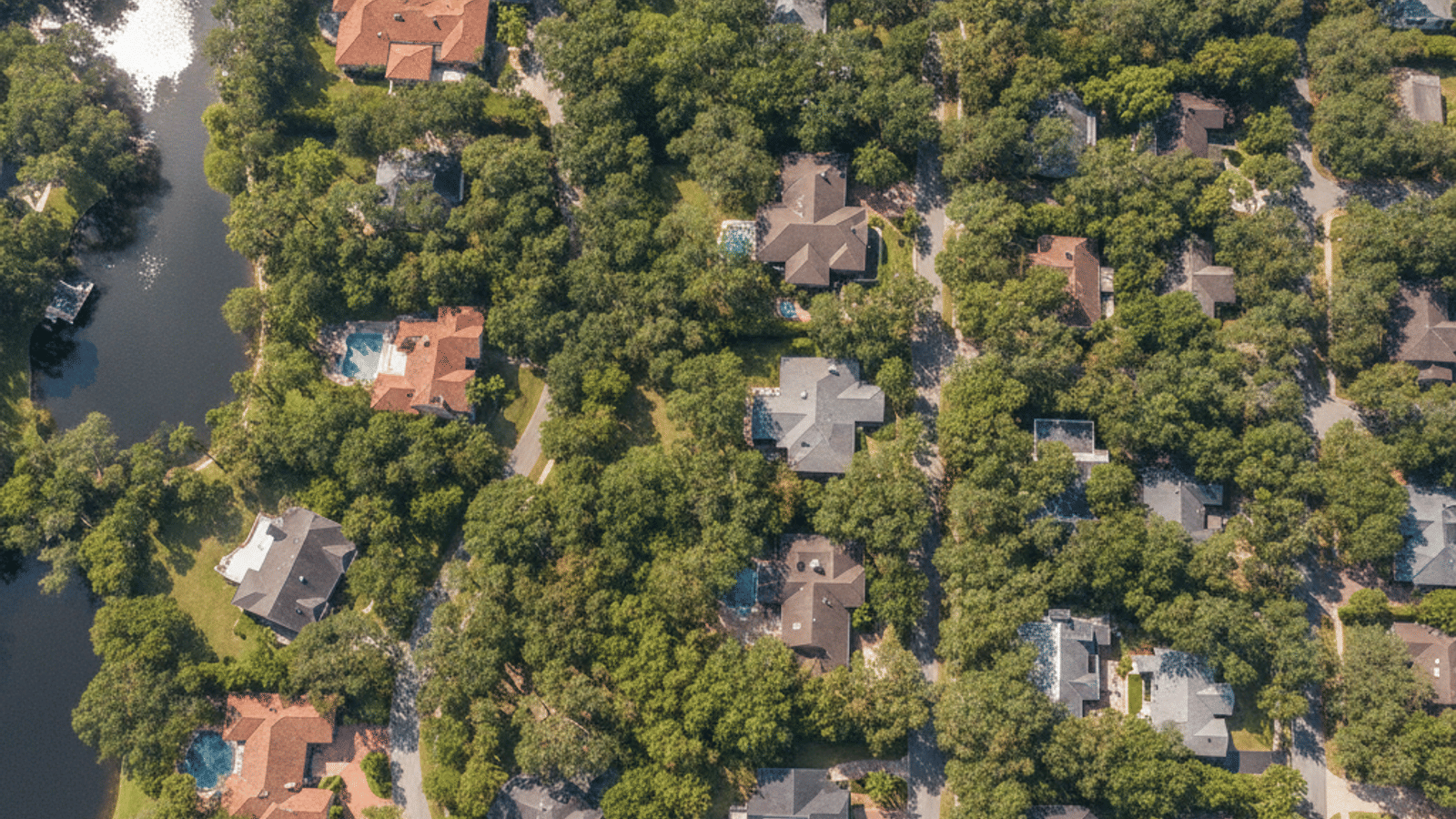
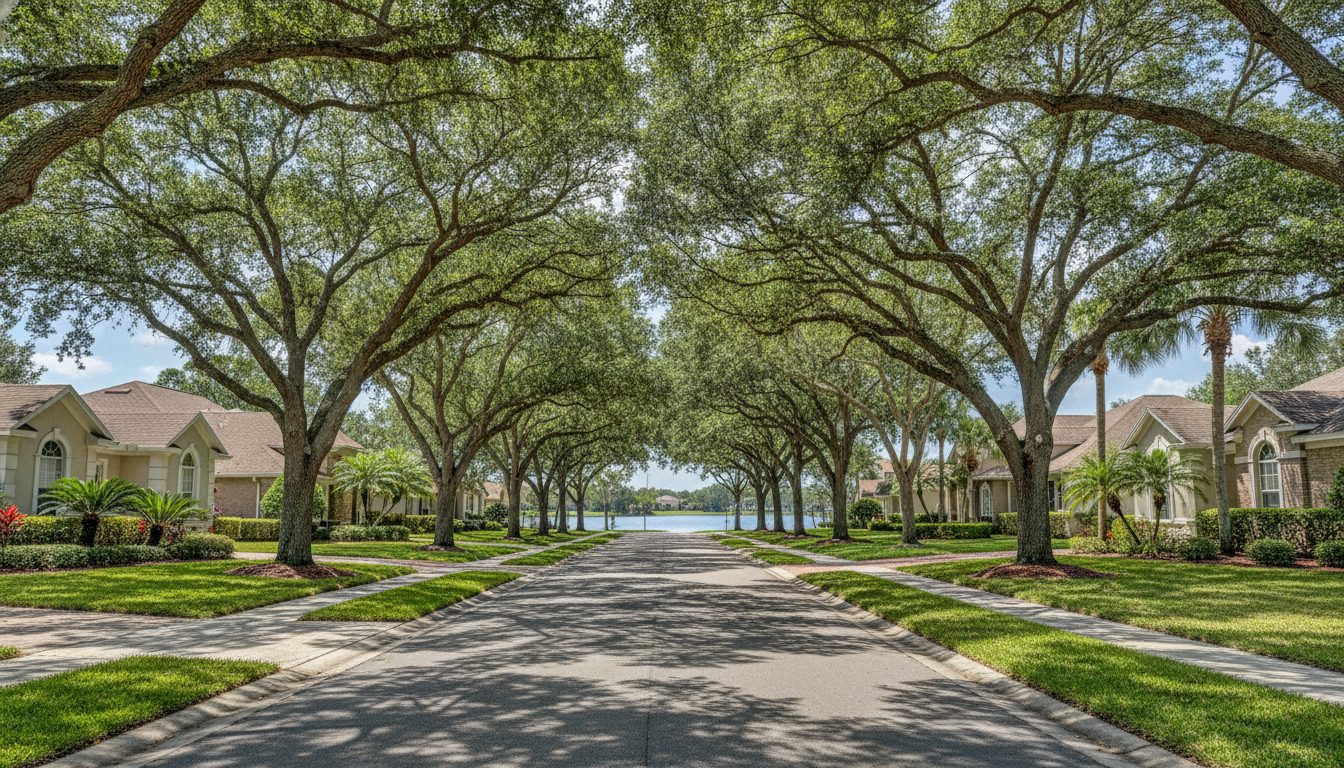
Longwood sits in Seminole County, just north of Orlando near Lake Mary and Altamonte Springs, with easy access to I-4 and SR 434 and its own SunRail commuter station. That location keeps it connected to Orlando metro jobs while offering a mix of established neighborhoods like Sweetwater Oaks, Sabal Point, Wekiva, and the gated, spring-fed community of The Springs. The tradeoff is that you pay Orlando-adjacent housing prices, and Florida-specific costs like home insurance can move your total more than any grocery bill ever will. Here is what the major categories look like right now.
Home Prices and What You Actually Pay Monthly
The median sale price across all home types in Longwood, FL was about $369,779 as of May 2026, according to Redfin, essentially flat compared to a year earlier. That number covers everything from smaller single-story homes to townhomes, so it hides a wide range. Some established neighborhoods with larger lots have been selling closer to $485K over recent months, and homes along the Markham Woods corridor or in Alaqua and Alaqua Lakes push well beyond that.
For a buyer, the sticker price is only the starting point. On a $370,000 home with 20% down and a mortgage rate in the high-6% range, principal and interest alone land near $1,900 per month. Add property taxes and insurance on top, and the true monthly cost climbs quickly, which is why the two categories below matter so much in Florida.
Inventory in Longwood moves faster in the moderate price tiers than at the luxury end, so a budget near the county median should expect competition. The Todd Schroth Home Selling Team works these Longwood neighborhoods regularly and can tell you which pockets are trading above or below the citywide median in any given month.
Renting in Longwood
The average apartment rent in Longwood, FL is around $1,949 per month, according to RentCafe data from early 2026, a modest increase of less than 1% year over year. That average lands close to the Orlando metro figure, so renters here are not paying a steep premium to be in Seminole County rather than in the city proper.
Size drives most of the variation. A one-bedroom averages roughly $1,586, a two-bedroom runs about $2,070 for around 1,220 square feet, and three-bedroom units average near $2,426. Studios, where you can find them, sit closer to $1,343. The largest share of local rentals, about 40%, falls in the $1,501 to $2,000 band, so that range is where most renters end up.
Single-family rentals are common here given the number of detached homes, and those typically cost more than an equivalent apartment. If you are renting while you shop for a home, factoring in a year of rent at these levels helps you weigh whether buying now pencils out against waiting.
Property Taxes in Seminole County
Seminole County’s median effective property tax rate is about 0.89% of assessed value, according to figures compiled by Ownwell, and the median annual property tax bill in the county is roughly $3,210. That bill is about $810 below Florida’s statewide median, which makes Seminole County comparatively reasonable for the region.
Florida’s homestead exemption is the biggest lever for lowering that bill on a primary residence. It removes the first $25,000 of assessed value from all property taxes, then exempts another $25,000 from everything except school taxes, so a qualifying homeowner shields up to $50,000 of value. The Seminole County Property Appraiser handles these applications, and the deadline is firm: you must file by March 1 of the year you want the exemption to apply.
There is a second benefit that grows over time. Once your homestead exemption is in place, the Save Our Homes cap limits how much your assessed value can rise each year to 3% or the change in the Consumer Price Index, whichever is lower. For 2026 the CPI figure is 2.7%, so assessments on homesteaded properties can climb no more than that this year even when market values jump. Over a long stretch of ownership, that cap can save you thousands compared to a home that resets to full market value.
One more point that shapes the overall picture: Florida has no state income tax. That absence is a real part of why many buyers relocating from higher-tax states find their total household costs drop even when a specific line item like insurance runs high.
Home Insurance, the Florida Wild Card
Home insurance is where Florida budgets get uncomfortable. Statewide, average annual premiums in 2026 run anywhere from about $4,300 to $5,838 for typical dwelling coverage, according to sources including MoneyGeek and Insuranceopedia, which keeps Florida the most expensive state in the country for homeowners insurance at roughly two to three times the national average.
Longwood’s inland location in Seminole County works in your favor here. Coastal South Florida properties can see premiums of $7,000 or more, and being well away from the coast generally means lower wind and flood exposure than a beachfront home. You should still budget several thousand dollars a year, and you should get quotes before you buy, since the number varies with the home’s age, roof condition, and construction.
There is some better news for 2026. Following recent tort reform, several carriers have filed rate reductions in the 5% to 10% range, and new insurers have entered the Florida market. That does not make insurance cheap, but it does mean shopping around is more likely to pay off than it was a couple of years ago.
Utilities, Groceries, and Getting Around
Outside of housing, Longwood’s day-to-day costs are close to average or slightly below. AreaVibes puts local utility costs around 4% under the national average, helped by Florida’s lack of a heating season, though summer air conditioning does the opposite and pushes electric bills up from June through September.
Groceries land near the national baseline, ranging from a couple of points below to a few points above depending on the source. For the Orlando metro as a whole, most calculators put grocery prices only slightly above average, so you should not expect a big swing from what you pay now.
Transportation in the Orlando metro tends to run a few percent below the national average. Longwood commuters lean on I-4 and SR 434 for driving, and the Longwood SunRail station gives you a rail option into downtown Orlando and out toward DeBary without fighting I-4 traffic. Your fuel budget will depend more on your commute length than on any local premium.
Frequently Asked Questions
Is Longwood, FL more expensive than Orlando?
Housing costs in Longwood run a bit higher than the Orlando citywide figures, mostly because of the mix of larger single-family homes in Seminole County. Everyday costs like rent, groceries, and utilities are close to the metro average, so the overall difference comes down mainly to what kind of home you buy.
How much do I need to earn to live comfortably in Longwood, FL?
With a median home price near $370,000 and average apartment rent around $1,949 per month, a common rule of thumb of spending no more than 30% of gross income on housing points to a household income in the $75,000 to $95,000 range for renters, and higher for buyers once taxes and insurance are added. Your exact number depends on down payment, insurance quotes, and whether you claim the homestead exemption.
What is the property tax rate in Seminole County, FL?
The median effective property tax rate is about 0.89% of assessed value, and the county’s median annual tax bill is roughly $3,210. Filing for the homestead exemption on your primary residence removes up to $50,000 of assessed value and locks in the Save Our Homes cap on future increases.
Why is home insurance so expensive in Longwood, FL?
Florida is the priciest state in the country for homeowners insurance, driven by hurricane risk and years of litigation costs across the state. Longwood’s inland Seminole County location keeps premiums below coastal South Florida, but you should still budget several thousand dollars a year and get quotes before you buy.