What Is Living in Longwood, FL Like Day to Day in 2026?
Longwood sits in the middle of Seminole County, just north of Orlando and a short drive from Lake Mary and Altamonte Springs. The whole city covers a little under six square miles, so you can cross from one side to the other in about ten minutes. That compact footprint is part of what shapes daily life here. You get a settled, tree-shaded feel with a genuine historic core, and you still have I-4 and SR 434 close enough that the rest of the Orlando metro stays within easy reach.
What surprises a lot of people is the range packed into that small area. One street might have brick-lined blocks from the late 1800s, and a few minutes away you find gated communities built around a natural spring or backed up to the Wekiva River basin. If you are weighing what living in Longwood, FL feels like day to day, the short version is a slower residential pace with real outdoor access, plenty of dining and errands close by, and a downtown that still looks like a small Florida railroad town. Here is a closer look at each piece.
The Homes and Neighborhoods You Will Find
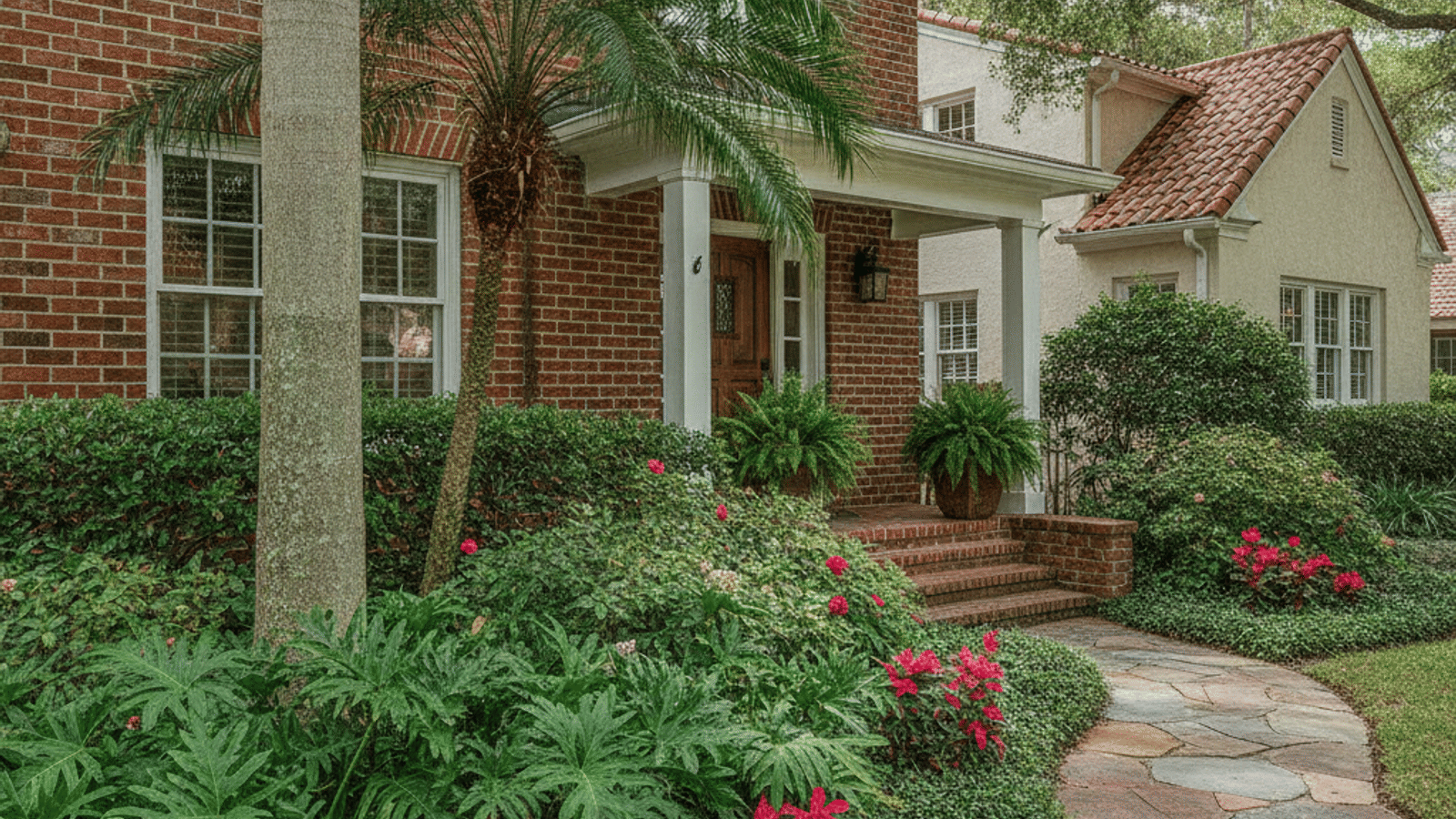
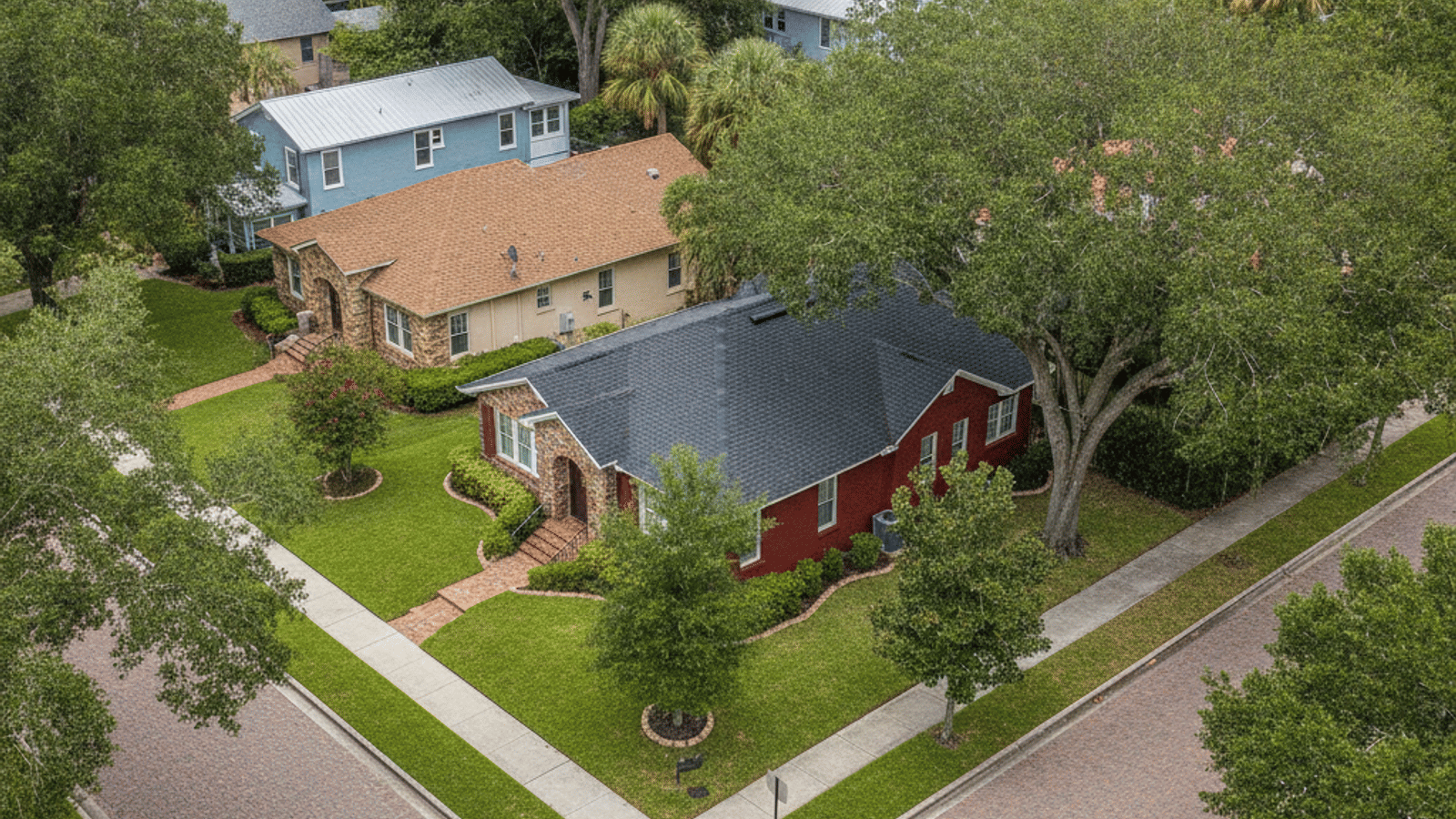
Housing in Longwood, FL runs wider than most towns this size. According to Redfin, the median sale price landed around $472,000 in mid-2026, with homes taking a median of about 58 days to sell. That is meaningfully higher than the Seminole County median of roughly $395,000, which tells you Longwood carries a premium for its lot sizes, mature landscaping, and established communities.
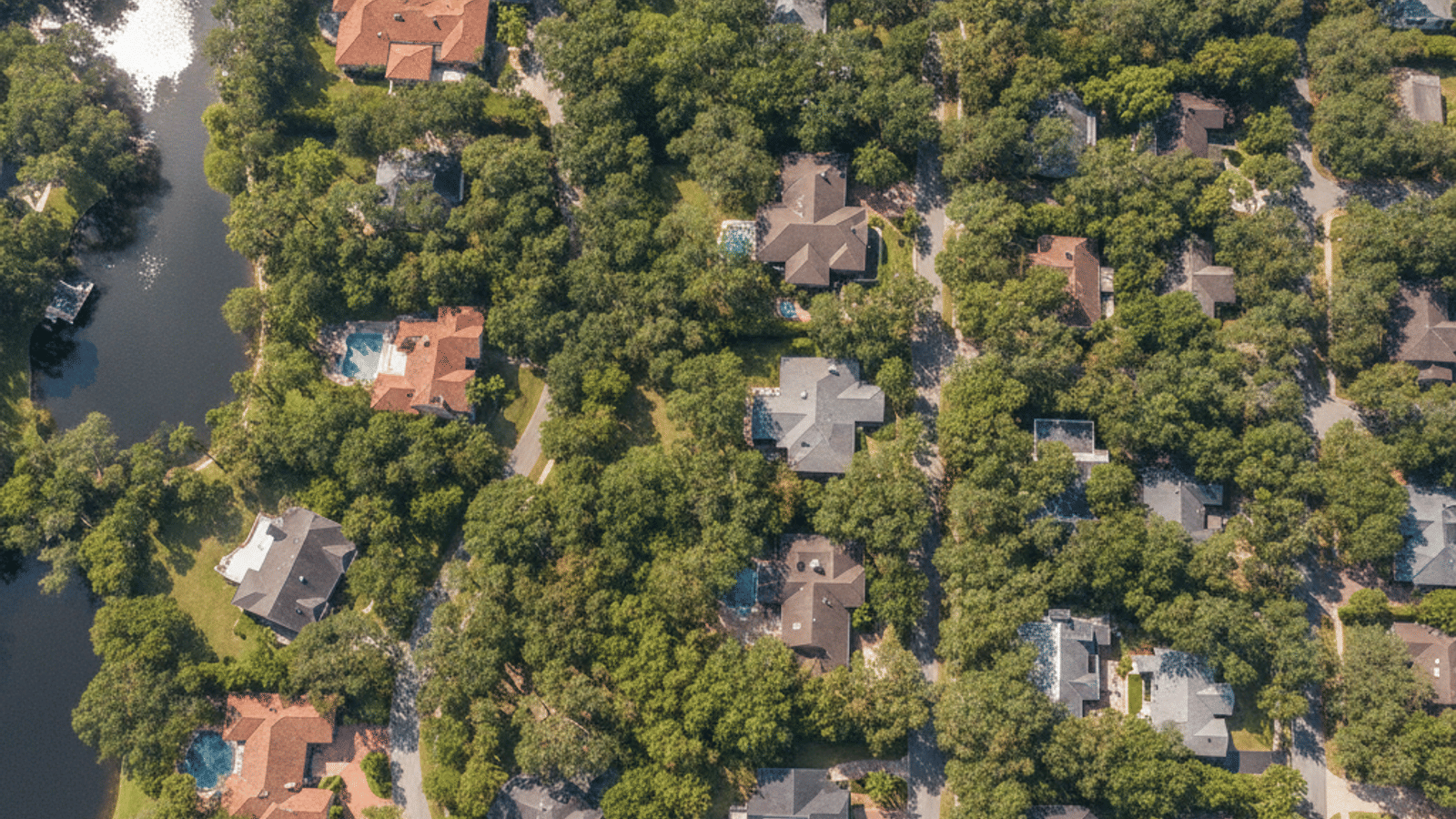
Several neighborhoods anchor the market. Sweetwater Oaks is one of the larger established communities, known for big lots and access to Lake Brantley and the Wekiva River. The Springs is a gated community built around a natural spring-fed swimming area, which is genuinely rare for a residential subdivision. Along the Markham Woods corridor you find larger estate-style properties and the Alaqua and Alaqua Lakes communities, where custom homes sit on wooded acreage.
Closer to the center, Wekiva and Wekiva Cove offer more traditional single-family layouts, and Sabal Point sits near the entrance to the Wekiva basin with a golf-course setting. Between these you get townhomes and smaller ranch homes from the 1970s and 80s, so a first-time buyer and a move-up buyer can both find something without leaving the city. You can browse the full picture of local communities on the Longwood community hub for a neighborhood-by-neighborhood breakdown.
The Historic District and Downtown Feel
The Longwood Historic District sits near the intersection of SR 434 and County Road 427, and it is the part of town that gives Longwood its identity. The district holds 37 contributing structures, and a self-guided walking tour of the whole thing takes about an hour. Some of these buildings date to the 1870s and 1880s, back when Longwood grew up as a stop on the South Florida Railroad.
Landmarks here include the Longwood Hotel, the Bradlee-McIntyre House, and the old Christ Episcopal Church. The scale stays small and walkable, with local eateries and shops mixed among the historic homes rather than big-box storefronts. Weekend markets and community events tend to center on this area, so it functions as a real gathering spot and not just a preserved postcard.
Because the downtown grew around the rail line, it stayed dense and pedestrian-friendly in a way newer Central Florida suburbs never did. If you like the idea of walking to a coffee shop past century-old cottages, this is the pocket of Longwood, FL that delivers it.
Getting Outdoors: Springs, Parks, and Trails
Outdoor access is one of the strongest reasons people choose Longwood. Wekiwa Springs State Park sits right at the edge of town, reachable by taking SR 434 west about a mile from I-4 exit 94 to Wekiwa Springs Road. The park centers on a clear, spring-fed swimming area that holds a steady temperature year-round, and it adds kayaking, snorkeling, hiking trails, and wildlife viewing along the Wekiva River.
Inside the city, Reiter Park serves as the main community green space near downtown, with an amphitheater that hosts concerts and seasonal events. Big Tree Park, home to a famous ancient cypress landmark, sits just minutes away in the same corridor. For paddlers, the Wekiva River and its connected waterways give you miles of protected, scenic routes without ever loading a car onto the highway.
The Seminole Wekiva Trail also runs through the area, a paved multi-use path that connects to the wider Seminole County trail network for cycling and running. Between the springs, the river, and the trail system, a lot of daily life in Longwood happens outdoors, and that shapes the pace of the whole town.
Dining, Shopping, and Everyday Errands
For a small city, Longwood covers everyday needs well. SR 434 and US 17-92 form the main retail spines, lined with grocery stores, pharmacies, hardware stores, and the kind of service businesses you use every week. You are never far from a Publix, and larger shopping at Altamonte Mall and the Uptown Altamonte area sits just south, a short drive down I-4 or US 17-92.
Dining leans toward independent local spots rather than a wall of chains. The historic district and the surrounding blocks hold family-run restaurants, breweries, and cafes, and the broader Longwood-Lake Mary corridor adds everything from sushi to barbecue to Latin American kitchens. For a bigger night out or specialty shopping, Winter Park and downtown Orlando are both reachable in under half an hour.
Because the town is compact, most errands stay quick. You are not building your week around a 30-minute drive to the nearest store, and that convenience is part of what keeps longtime residents in place.
Commuting and Getting Around
Longwood is one of the more connected small cities in the metro, and that starts with the SunRail station downtown. The Longwood station sits near the historic center and lets you ride into Orlando, Winter Park, or up toward DeBary without dealing with I-4 traffic. It is a real option for anyone working near a SunRail stop, and it puts the town’s walkable core within reach of the wider rail line.
For drivers, I-4 is the main artery to Orlando and Lake Mary, and it now runs alongside the express lanes added during the I-4 Ultimate project, which changed how many commuters plan their trips. SR 434 handles east-west movement toward Winter Springs and the springs, while SR 429 and its extensions give drivers a way to skip the busiest I-4 stretches when heading toward the attractions area or the airport.
A typical drive to downtown Orlando runs around 25 to 30 minutes outside of peak hours, and Lake Mary’s office parks are closer to 10 or 15. Orlando International Airport is roughly 40 minutes south. For a residential town this size, having both a commuter rail stop and quick interstate access is unusual, and it is a big reason the area holds its value.
Weather Through the Seasons
Longwood follows the Central Florida pattern of long, warm summers and mild, dry winters. From June into September, expect highs in the low 90s and near-daily afternoon thunderstorms that roll through fast and clear out by evening. This is also the stretch when the springs and shaded trails earn their keep as the coolest places to spend an afternoon.
Winters are the payoff. From December through March, daytime highs usually sit in the 70s with low humidity, and it stays comfortable enough to be outside all day. Freezes are rare and brief when they happen. Hurricane season runs June through November, so most homeowners plan for it, but Longwood’s inland Seminole County location keeps it away from direct coastal storm surge.
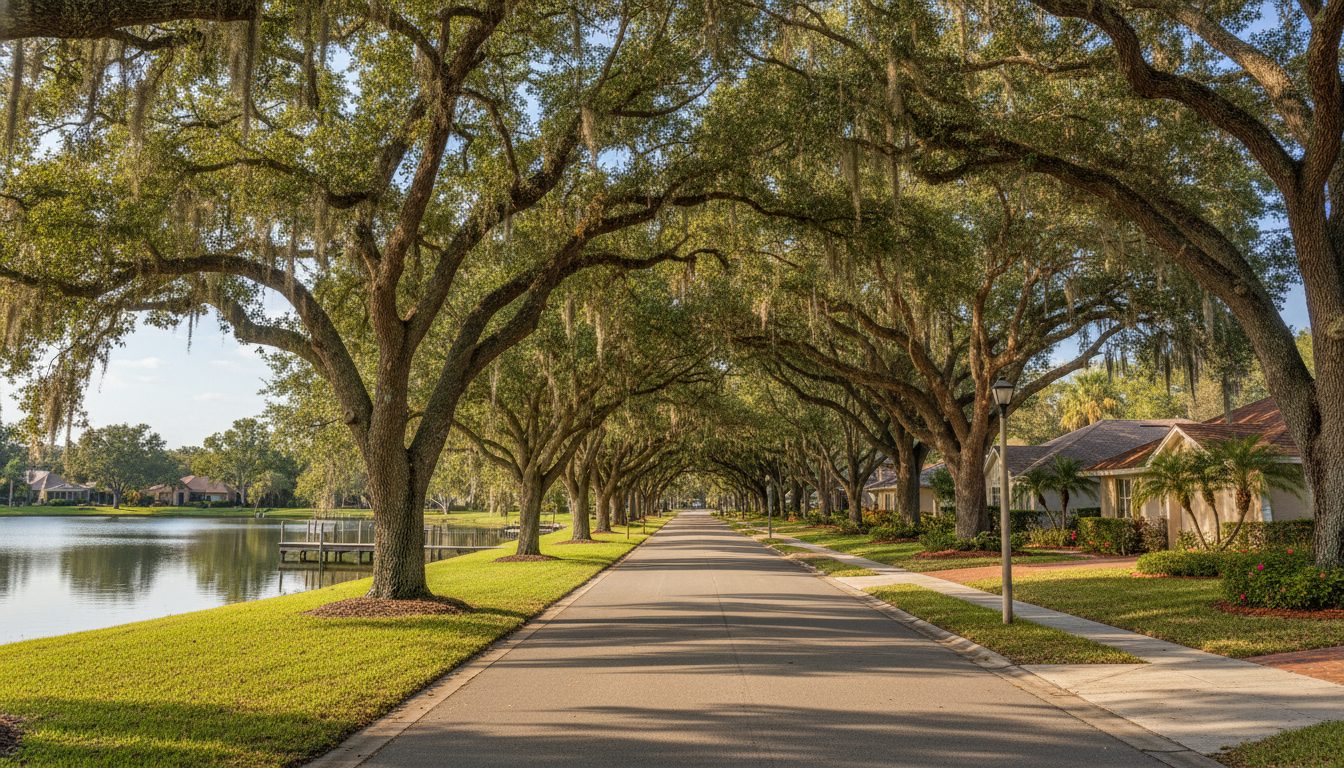
Spring and fall are short and pleasant, with warm days and cooler mornings. The tree canopy across much of the city helps keep neighborhoods shaded during the hottest months, which is one more small thing that makes the summer heat easier to live with.
Frequently Asked Questions About Living in Longwood, FL
Is Longwood, FL an expensive place to live?
Longwood sits above the Seminole County average, with a median sale price near $472,000 in mid-2026 according to Redfin, compared to about $395,000 countywide. Larger lots, established communities, and the historic district drive that premium, though older townhomes and ranch homes give buyers lower entry points within the same city.
What is there to do in Longwood, FL?
The biggest draw is the outdoors, led by Wekiwa Springs State Park for swimming, kayaking, and hiking, plus the Seminole Wekiva Trail for cycling and running. Downtown adds the historic district walking tour, Reiter Park events, local restaurants, and Big Tree Park, all within a few minutes of each other.
How is the commute from Longwood to Orlando?
The drive to downtown Orlando runs about 25 to 30 minutes off-peak using I-4, and Lake Mary is closer to 10 or 15 minutes. Longwood also has its own SunRail station downtown, so commuters working near a rail stop can skip the interstate entirely.
What kinds of homes are available in Longwood, FL?
The range is wide for a small city, from 1970s and 80s ranch homes and townhomes to large estate properties along the Markham Woods corridor in the Alaqua communities. Gated options like The Springs and established neighborhoods like Sweetwater Oaks and Sabal Point round out the market, and the Todd Schroth Home Selling Team can help match a search to the right community.